
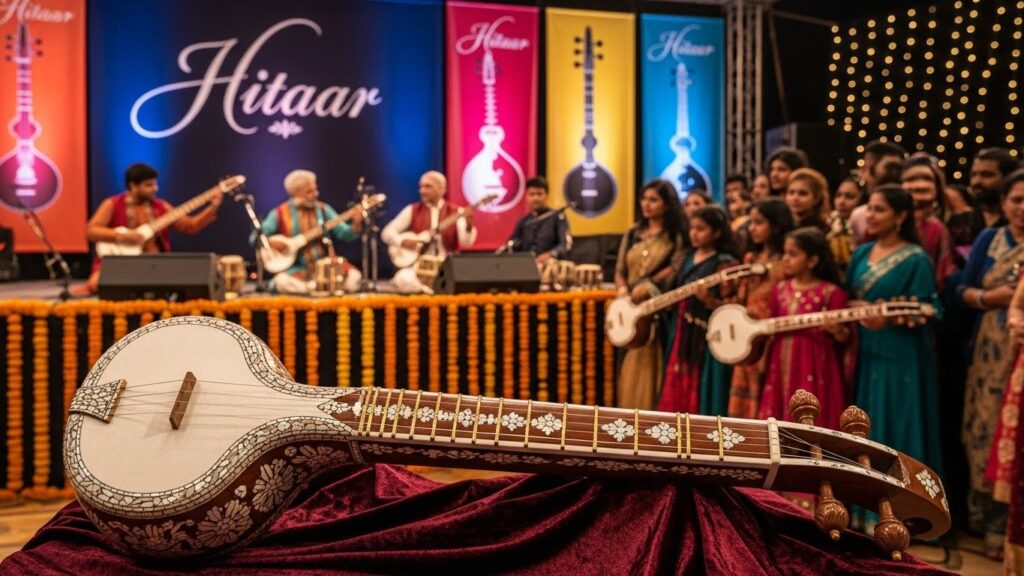
Hitaar is more than just a craft; it’s a vibrant expression of culture, tradition, and artistry. As we delve into the world of hitaar, you’ll discover its stunning beauty and intricate details that tell stories passed down through generations. This blog post will take you on a journey through the history of hitaar, the traditional techniques used in its creation, and how it has evolved over time. From lively events celebrating this unique art form to its impact on communities and economies, there’s much to uncover about hitaar. Join us as we explore this captivating craft that continues to inspire artisans and enthusiasts alike!
What is Hitaar?
Hitaar is a traditional craft that embodies artistry and cultural heritage. Often recognized for its intricate designs, it reflects the skills passed down through generations.
At its core, hitaar involves creating exquisite items using local materials. These can range from textiles to decorative pieces that tell stories of the region’s history.
Artisans meticulously handcraft each piece, ensuring attention to detail and quality. The beauty lies not just in the final product but also in the dedication poured into every step of its creation.
The vibrant colors and patterns used in hitaar often symbolize various elements of nature or significant cultural themes. Each design carries meaning, connecting artisans with their roots while celebrating their creative expression.
This art form serves as both functional objects and stunning visual statements, making hitaar a cherished part of many cultures around the world.
A Brief History of Hitaar and its Cultural Significance
Hitaar has deep roots in the rich tapestry of cultural heritage. Originating centuries ago, this craft reflects the artistry and skills passed down through generations.
Historically, hitaar was more than just a craft; it symbolized community identity. Artisans dedicated their lives to perfecting techniques that showcased local traditions and stories. Each piece tells a narrative steeped in folklore and regional pride.
This craftsmanship flourished during festivals, where vibrant displays captivated audiences. People gathered not only to admire but also to learn about its intricate processes and meanings.
As societies evolved, so did hitaar’s significance. It became a medium for expressing cultural values while promoting unity among different communities. Today, it stands as a testament to resilience and creativity amidst changing times.
The Traditional Process of Making Hitaar
The traditional process of making hitaar is a meticulous journey steeped in craftsmanship. Artisans begin by selecting high-quality materials, often sourced from local suppliers. The choice of wood and other elements plays a crucial role in the final product’s resonance.
Once the materials are gathered, skilled hands carefully shape each piece. This involves cutting, sanding, and smoothing to achieve the perfect form. Attention to detail is paramount; every curve contributes to the instrument’s sound quality.
Next comes the intricate assembly phase where artisans join various components using techniques passed down through generations. Each connection must be precise for optimal performance.
After assembling, craftsmen apply natural finishes that enhance both appearance and durability. These finishes not only protect but also enrich the tonal qualities of hitaar.
Tuning is an art itself—a delicate balancing act that transforms raw creation into melodic perfection.
Modern Innovations and Techniques in Hitaar Making
Modern innovations in hitaar making have redefined the traditional craft. Artisans now combine age-old techniques with contemporary technology, enhancing both efficiency and creativity.
Digital tools are revolutionizing design processes. Computer-aided design (CAD) software allows craftsmen to create intricate patterns that were once tedious and time-consuming. This integration has opened new avenues for customization, catering to diverse tastes.
Sustainable practices are also gaining traction. Artisans increasingly source eco-friendly materials, minimizing environmental impact while preserving the integrity of their work.
Additionally, workshops and community initiatives promote skill-sharing among younger generations. By blending tradition with innovation, hitaar continues to thrive as a vibrant art form in today’s world.
Popular Events that Celebrate Hitaar
Across the globe, a variety of vibrant events celebrate hitaar throughout the year. These gatherings not only showcase this exquisite craft but also bring together artisans and enthusiasts.
Festivals often include live demonstrations where skilled craftsmen exhibit their techniques. Attendees can witness the intricate processes involved in creating hitaar firsthand. This immersive experience fosters appreciation for the artistry behind each piece.
Workshops are another popular feature at these events. Participants have the chance to try their hand at crafting hitaar items under expert guidance. Such activities spark creativity and inspire new generations to embrace this tradition.
Markets dedicated to hitaar attract visitors eager to purchase unique handcrafted pieces directly from artisans. These marketplaces highlight local talent while promoting sustainable practices within communities.
Cultural performances during these festivities further enrich the experience, blending music and dance with artisan showcases creating an unforgettable atmosphere centered around this beautiful craft.
The Impact of Hitaar on Local Communities and Economies
Hitaar has a profound impact on local communities, breathing life into traditions and fostering social cohesion. Artisans skilled in this craft often form close-knit groups, sharing techniques and stories that bond generations.
The economic benefits are equally significant. Hitaar production creates jobs, from artisans to vendors selling their creations at markets. This boosts local economies by encouraging tourism as visitors flock to experience authentic craftsmanship.
Moreover, the sale of hitaar products supports sustainable practices. Many artisans source materials locally, ensuring that profits circulate within the community. This strengthens ties between producers and consumers while promoting environmental stewardship.
Cultural events celebrating hitaar also draw attention to these vibrant communities. Festivals provide platforms for artisans to showcase their work and educate the public about their heritage. This not only preserves skills but inspires new artists eager to carry on the tradition forward.
Preserving and Appreciating the Art of Hitaar
Preserving the art of hitaar requires a collective effort from artisans, communities, and enthusiasts alike. This intricate craft holds historical significance that transcends generations. Every piece tells a story, connecting us to our roots.
Appreciation for hitaar can flourish through workshops and exhibitions. These events provide platforms for artisans to showcase their skills and share their knowledge with newcomers. Engaging the younger generation is crucial in keeping this tradition alive.
Moreover, digital platforms play an essential role in promoting hitaar beyond local boundaries. Online galleries and social media campaigns spotlight artists and their creations, drawing global attention.
Collaborations between traditional craftsmen and modern designers can lead to innovative interpretations of hitaar. Such partnerships not only enhance creativity but also attract new audiences who may fall in love with this timeless craft.
By nurturing curiosity around, we ensure its continued relevance while celebrating its rich heritage.
Conclusion
Hitaar is more than just a craft. It embodies rich traditions, stories, and the spirit of communities that have cherished this art form for generations. The blend of historical significance and modern innovation ensures that remains relevant today.
Events dedicated to celebrating bring together artisans, enthusiasts, and curious visitors alike. These gatherings not only showcase stunning creations but also serve as platforms for education and appreciation of this beautiful craft.
With the support from local economies and communities, continues to thrive. As we engage with its history and techniques, it becomes clear how vital it is to preserve such artistry for future generations.
By embracing both tradition and contemporary methods, the journey of hitaar persists in capturing hearts around the world. This craft deserves recognition not merely as an art form but as a testament to culture’s resilience through time.