
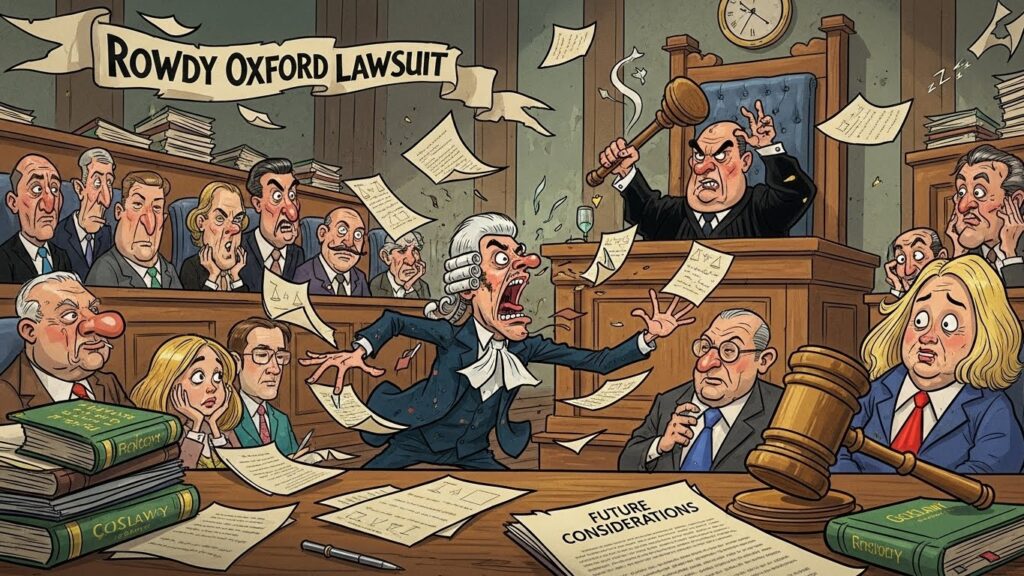
The Rowdy Oxford lawsuit has become a hot topic, sparking discussions across campuses and legal forums alike. It’s not just another court case; it represents the clash between student rights and institutional responsibilities. As universities navigate these turbulent waters, this particular case offers crucial insights into how higher education institutions make decisions that affect their communities. Whether you’re a student, educator, or just someone interested in the legal landscape of academia, understanding this lawsuit is essential. Join us as we delve deeper into the details of the Rowdy Oxford lawsuit and explore its implications for future cases in educational settings.
What is Rowdy Oxford Lawsuit?
The Rowdy Oxford lawsuit has emerged as a significant legal battle within the realm of higher education. This case centers around allegations related to student conduct and institutional responsibility in managing campus behavior.
At its core, the lawsuit raises questions about how universities handle incidents involving students. It scrutinizes policies, administrative actions, and their effects on both individuals and the broader community.
As details unfold, it becomes clear that this case is not just about one incident but touches on systemic issues plaguing many educational institutions today. Stakeholders are keenly observing how this litigation could reshape policies moving forward.
This scenario encapsulates growing concerns regarding accountability and transparency in college environments. The outcomes may serve as precedents for future cases involving similar disputes across campuses nationwide.
Background of the Case
The Rowdy Oxford lawsuit stems from a series of incidents that raised serious questions about safety and accountability on campus. The events unfolded at the University of Oxford, where students were allegedly involved in reckless behavior during social gatherings.
These gatherings escalated tensions between community members and university officials. Reports indicated that numerous complaints had been filed regarding noise disturbances and unsafe practices.
In light of escalating concerns, affected parties decided to pursue legal action against the institution. Allegations included negligence in maintaining a safe environment for students and surrounding residents.
This case highlights broader issues related to student governance, institutional responsibility, and community relations within higher education settings. As it continues to unfold, many are watching closely for its implications on policies across universities nationwide.
Key Players and Parties Involved
The Rowdy Oxford lawsuit features several key players, each with distinct roles that shape the case’s trajectory. At its center is the plaintiff, a group of students who are challenging university policies they believe infringe on their rights.
On the other side stands the university administration. Their legal team works diligently to defend these policies, citing safety and order as primary concerns for campus life.
Legal representatives also play crucial parts in this drama. They present arguments and counterarguments before the court, working tirelessly to advocate for their respective clients’ interests.
Community members have joined this conversation too. Faculty and parents express varying opinions about how this lawsuit could influence educational standards and student experiences moving forward.
Media coverage amplifies every development in this high-profile case, shaping public perception while adding an element of scrutiny that neither party can ignore.
Legal Insights and Arguments Presented
The Rowdy Oxford Lawsuit has drawn significant attention due to its complex legal arguments. Central to the case are issues of liability and negligence, which hinge on whether the involved parties acted with reasonable care.
Plaintiffs argue that the university failed to provide a safe environment for students. They reference specific incidents and historical data highlighting past safety concerns. This dimension adds weight to their claims.
Defense attorneys counter by emphasizing personal responsibility. They assert that individuals must recognize risks associated with certain activities, especially in a campus setting where freedoms are prevalent.
Expert testimonies also play a critical role. Legal analysts have noted how expert opinions can influence jury perceptions regarding institutional responsibilities versus individual choices.
By dissecting these arguments, observers gain insight into broader themes affecting higher education law today issues of accountability, risk management, and student welfare resonate throughout this ongoing litigation.
Potential Outcomes and Implications
The Rowdy Oxford lawsuit could lead to significant changes in how universities handle student conduct and disciplinary actions. A ruling favoring the plaintiffs may prompt institutions to reassess their policies, ensuring they align with legal standards.
If the court sides with the university, it might reinforce existing protocols. This outcome could embolden educational institutions to maintain strict enforcement of rules without fear of litigation.
Potential financial implications are also noteworthy. A verdict against the university might result in hefty compensation payouts, impacting its budget and future funding initiatives. On the flip side, a favorable decision for the school could discourage similar lawsuits from emerging.
More broadly, this case serves as a barometer for higher education’s responsibility towards student welfare versus maintaining discipline on campuses. The ripple effects could influence legislative discussions surrounding educational practices nationwide.
Lessons Learned for Future Similar Cases
The Rowdy Oxford lawsuit highlights crucial lessons for educational institutions. First, it underscores the importance of transparency in handling grievances. Clear communication can prevent misunderstandings and build trust among students and faculty.
Additionally, this case illustrates the need for robust policies regarding student behavior. Well-defined guidelines that are consistently enforced can help mitigate conflicts before they escalate.
Another key takeaway is the role of legal preparedness. Institutions should proactively seek legal counsel when navigating complex issues to minimize risks associated with potential litigation.
Fostering a culture of responsibility is essential. Encouraging open dialogues about decision-making can lead to more thoughtful actions from both students and administration alike. This proactive approach could set a positive precedent for future situations involving higher education disputes.
The Importance of Responsible Decision-Making in Higher Education Institutions
Responsible decision-making in higher education institutions shapes the future of students and communities. Every choice made impacts not only academic integrity but also campus culture.
When administrators prioritize ethical considerations, they foster an environment of trust. Students feel valued and respected when leaders demonstrate accountability in their actions.
Moreover, informed decisions can prevent conflicts that might escalate into legal issues like the Rowdy Oxford lawsuit. Proactive measures ensure that all voices are heard before problems arise.
Institutions must emphasize transparency and inclusivity while crafting policies. This approach allows for diverse perspectives to be considered, enriching the educational experience for everyone involved.
A commitment to responsible decision-making cultivates resilience within academic settings. It prepares students for real-world challenges by instilling values that extend beyond college life.
Conclusion
The Rowdy Oxford lawsuit stands as a pivotal moment in the intersection of legal accountability and higher education. As this case unfolds, it highlights the complexities involved when students, institutions, and legal systems collide. The outcomes could redefine policies at universities across the nation.
Legal experts suggest that regardless of the ruling, this case will set precedents for how educational institutions handle similar situations in the future. It serves as a reminder of the weighty responsibilities carried by those involved in higher education both students and administrators alike.
As we anticipate further developments from this case, one thing is clear: The lessons learned here will echo beyond Oxford’s campus, influencing how colleges navigate challenges related to student behavior and institutional responsibility moving forward.