
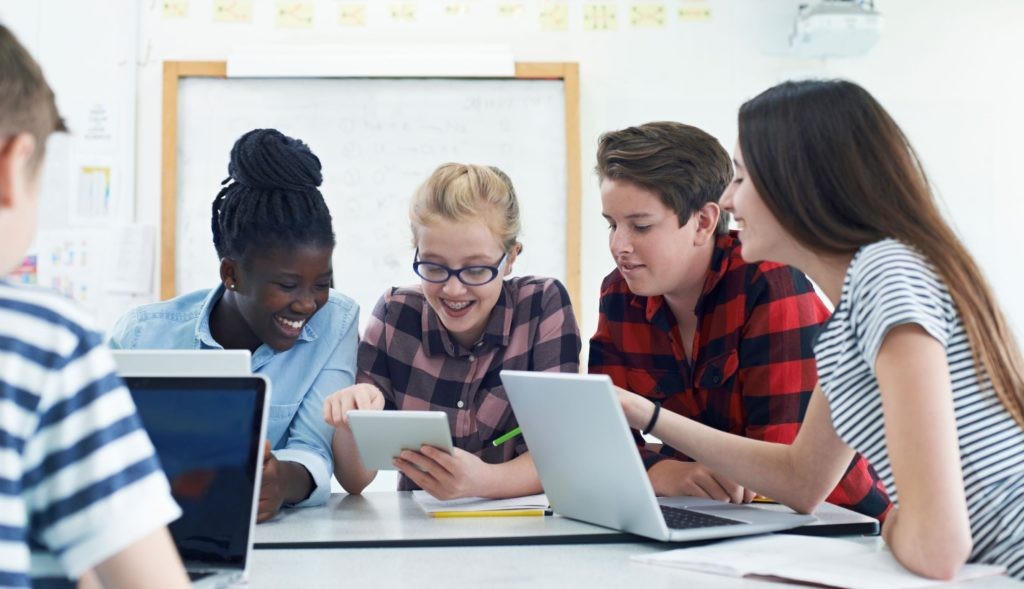
Imagine stepping into a classroom that feels less like a traditional learning space and more like an incubator for ideas, collaboration, and creativity. Welcome to Classroom 60x a revolutionary approach in educational environments designed to empower students through collaborative learning. As the world becomes increasingly interconnected, education must evolve to meet the needs of future generations. Classroom 60x is not just about desks and chairs; it’s about fostering an atmosphere where innovation thrives. This dynamic learning environment paves the way for students to engage deeply with their peers while developing critical skills necessary for success in today’s fast-paced society. Let’s dive deeper into what makes Classroom 60x a game-changer in modern education.
What is Classroom 60x?
Classroom 60x is an innovative approach to education, designed to enhance collaborative learning. This concept focuses on creating dynamic spaces where students can engage with one another and their teachers seamlessly.
At its core, Classroom 60x transforms traditional classrooms into interactive hubs. It emphasizes flexibility in layout and technology integration, allowing for various group activities and discussions.
This model encourages teamwork among students while fostering critical thinking skills. By breaking down the barriers of a conventional classroom setup, Classroom 60x paves the way for deeper peer-to-peer interaction.
It’s not just about furniture or gadgets; it’s about cultivating an environment that prioritizes student engagement. Through this framework, educators aim to inspire creativity and encourage exploration within diverse educational contexts.
Benefits of Collaborative Learning Environments
Collaborative learning environments foster creativity and innovation. When students work together, they share diverse perspectives. This can lead to breakthroughs in problem-solving.
Communication skills are sharpened as students interact with their peers. They learn to articulate their thoughts clearly while also listening actively. Such exchanges build confidence over time.
Additionally, collaboration encourages accountability. Each student plays a role within the group, which motivates them to contribute meaningfully. The fear of letting teammates down often drives individuals to perform at their best.
Moreover, these settings cultivate a sense of community among learners. Bonds formed during collaborative projects can enhance social skills and emotional intelligence.
Exposure to teamwork prepares students for real-world scenarios where collaboration is key. They gain practical experience that will serve them well beyond the classroom walls.
The Shift Towards Technology in Education
The integration of technology in education has transformed the learning landscape. Traditional methods are giving way to innovative solutions that enhance engagement.
Classrooms are no longer confined to textbooks and chalkboards. Digital tools like interactive whiteboards, tablets, and online resources create dynamic environments. Students can access information instantly and collaborate seamlessly with peers.
Teachers also benefit from this shift. They have a wealth of resources at their fingertips, allowing for personalized teaching approaches tailored to individual student needs.
Moreover, distance learning has gained momentum, expanding educational opportunities beyond geographical limits. Whether through video conferencing or virtual classrooms, knowledge is accessible from anywhere in the world.
This technological evolution fosters critical thinking and problem-solving skills among students, preparing them for future challenges in an increasingly digital society. The classroom experience continues to evolve as educators embrace these advancements wholeheartedly.
Features and Design of Classroom 60x
Classroom 60x redefines the traditional learning space through its innovative design. This dynamic environment prioritizes flexibility, allowing for various configurations to support different teaching styles and student needs.
The furniture is modular, enabling quick rearrangements for group work or individual study. Desks can be easily moved or combined to foster collaboration among students.
Technology integration plays a key role in this classroom model. Interactive whiteboards and digital displays enhance engagement while providing instant access to online resources.
Natural lighting floods the room, creating an inviting atmosphere that promotes focus and creativity. Furthermore, acoustic panels help minimize distractions by controlling noise levels during collaborative activities.
Sustainability is also a core principle of Classroom 60x design. Eco-friendly materials are used throughout, contributing to a healthier environment for both students and teachers alike.
Case Studies: Successful Implementation of Classroom 60x
Schools across the globe are beginning to embrace Classroom 60x, and the results have been promising. One notable example comes from a high school in California that revamped its traditional layout into a 60x environment. Teachers reported increased student engagement as flexible seating allowed learners to collaborate effortlessly.
Another case study highlights an elementary school in Texas where teachers integrated technology seamlessly within their 60x classrooms. With interactive whiteboards and group work stations, students thrived on teamwork. Test scores showed marked improvement after just one semester.
A community college in New York transformed its lecture halls into versatile learning spaces, fostering peer interaction among diverse groups of students. Feedback indicated that many felt more connected and supported academically.
These implementations demonstrate the power of collaborative learning environments like Classroom 60x, showcasing how adaptable designs can meet various educational needs effectively.
Challenges and Solutions for Adopting Classroom 60x
Adopting Classroom 60x comes with its share of challenges. One major hurdle is resistance to change from both educators and students. Traditional teaching methods feel comfortable, making the transition daunting.
Training sessions for teachers can ease this fear. Comprehensive workshops that highlight the benefits of collaborative learning are essential. Hands-on experience fosters confidence and enthusiasm.
Another challenge is funding for new technologies and furniture that facilitate a collaborative environment. Budget constraints often limit what schools can implement.
Creative solutions include seeking grants or partnerships with local businesses. Community support can provide resources necessary for transformation.
Ensuring all students are engaged within such environments can be tricky. Differentiated instruction strategies must be employed to cater to varied learning styles while maintaining collaboration among peers.
The Impact of Classroom 60x on Students and Teachers
Classroom 60x is transforming the learning experience for both students and teachers. By fostering collaboration, it encourages active participation in classrooms. This environment enhances student engagement, making lessons more interactive.
Teachers benefit significantly from this shift as well. With advanced tools at their disposal, they can tailor lessons to diverse learning styles. The fluid layout promotes group work, sparking creativity among students.
Students develop essential skills like teamwork and communication while working together on projects. They learn to respect different viewpoints, which prepares them for real-world interactions.
Moreover, technology integration allows educators to track progress effectively. Real-time feedback helps identify areas where students may need additional support or enrichment.
The impact extends beyond academics; it nurtures a sense of community within the classroom. Relationships between peers strengthen as they collaborate towards shared goals. Teachers also find themselves more connected with their students through shared experiences and discussions.
Future Predictions for Collaborative Learning Environments
As we look ahead, the landscape of collaborative learning environments is set to evolve dramatically. Classroom 60x will play a pivotal role in this transformation.
Emerging technologies like augmented reality and artificial intelligence are likely to be integrated into these spaces, enhancing interactive experiences. Students may find themselves immersed in virtual worlds where collaboration feels seamless and natural.
Additionally, personalization will drive engagement. With adaptive learning tools, educators can tailor lessons to meet individual needs while fostering group projects that encourage teamwork.
Flexibility is another trend on the horizon. Modular furniture and movable walls could create dynamic spaces that adapt to various teaching styles and group sizes effortlessly.
Sustainability will become a key consideration in design choices, with schools opting for eco-friendly materials and energy-efficient systems as they develop future classrooms conducive to innovation and cooperation.
Conclusion
Classroom 60x represents a transformative shift in educational environments. It champions collaboration, leveraging technology to create spaces that foster interaction and creativity among students. As we look ahead, the integration of such innovative designs will likely redefine how educators approach teaching methodologies.
The impact of Classroom 60x goes beyond just physical space; it cultivates community and prepares students for real-world challenges. By prioritizing teamwork and engagement, this model not only benefits learners but also supports teachers in creating dynamic learning experiences.
As schools increasingly embrace these collaborative environments, it’s essential to remain adaptive and open-minded about future developments. The journey toward enhanced education continues with Classroom 60x leading the way into an exciting new era of learning.