
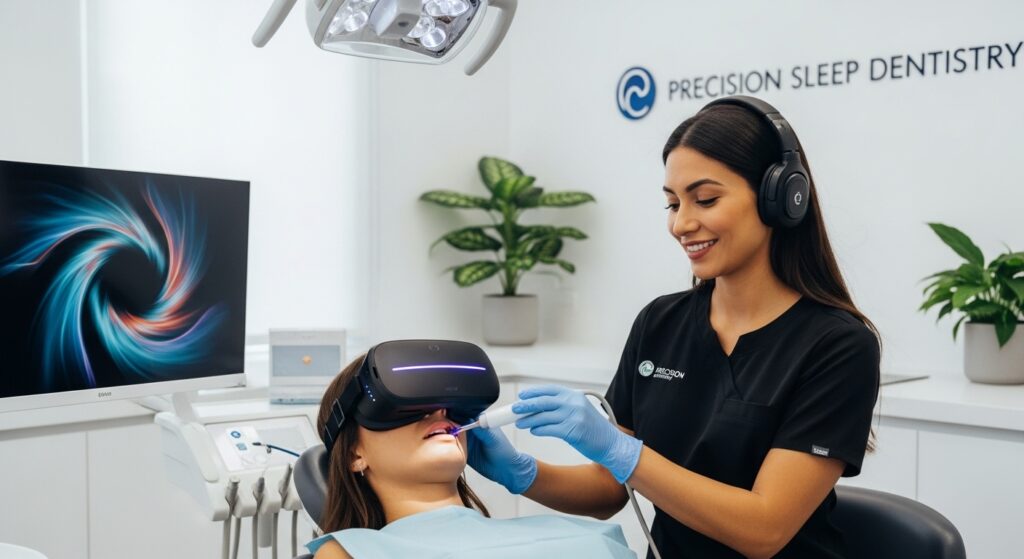
For many people, the thought of visiting a dentist triggers a wave of anxiety that can make even routine procedures feel overwhelming. Dental fear affects millions worldwide, leading to delayed treatments and worsening oral health. Fortunately, advancements in dental technology and sedation methods have transformed the patient experience. Today, procedures that once caused stress and discomfort can be performed with precision and ease, making dental care accessible to everyone.
Precision sleep dentistry, in particular, has emerged as a game-changer. By combining the accuracy of modern dental techniques with the calming effects of sedation, dentists can deliver treatments that are both efficient and virtually stress-free. Unlike traditional approaches, sleep dentistry allows patients to remain comfortable and relaxed while their dental needs are met with meticulous attention to detail. This approach is especially beneficial for complex procedures such as root canals, implant placements, or full-mouth restorations, where precision is crucial.
Modern dental practices leverage advanced tools like digital imaging, 3D scanning, and computer-guided treatments to enhance outcomes. When these technologies are paired with sedation methods, patients benefit from precision dentistry enhanced by the comfort of sleep dentistry, ensuring that even the most sensitive procedures are completed accurately without causing unnecessary anxiety. The integration of technology and sedation also reduces chair time, minimizes post-treatment discomfort, and improves overall patient satisfaction.
Dental anxiety can stem from various sources, including past negative experiences, fear of pain, or even the sensory environment of a dental clinic. Understanding these triggers allows dental professionals to tailor care to individual needs, creating a more supportive and empathetic experience. Sedation options can range from mild oral medications to intravenous sedation, depending on the level of anxiety and the complexity of the procedure. This personalized approach ensures that patients receive the safest and most effective care without compromising comfort or precision.
In addition to sedation, modern practices focus on creating a soothing environment. Noise-canceling headphones, calming music, and gentle lighting are just a few ways clinics enhance the patient experience. These small but meaningful adjustments help reduce stress and foster a sense of control, complementing the effects of sleep dentistry. Together, these innovations make it possible for even the most anxious patients to undergo essential dental treatments with confidence.
For patients who have avoided the dentist for years due to fear, precision sleep dentistry offers a pathway to reclaim oral health without the emotional burden of anxiety. Procedures can be scheduled efficiently, and patients can often undergo multiple treatments in a single visit, reducing the need for repeated appointments. The combination of technological precision and sedation ensures that dental outcomes are predictable, safe, and tailored to each patient’s unique needs.
Ongoing advancements in sedation techniques and digital dentistry continue to expand the possibilities for patient-centered care. Dentists now have access to real-time imaging, AI-assisted diagnostics, and minimally invasive tools that complement sedation, allowing treatments to be executed with unparalleled accuracy. Patients can rest assured knowing that their care is guided by both cutting-edge technology and a deep understanding of their comfort needs.
By embracing these innovations, dental professionals can significantly improve the experience for patients who previously dreaded appointments. The holistic approach of combining advanced technology with sedation not only addresses the physical aspects of dental procedures but also alleviates the psychological barriers that often prevent individuals from seeking care. For those interested in learning more about the causes and management of dental anxiety, exploring resources on understanding dental anxiety in the modern age can provide valuable insights into how contemporary dental practices help patients relax and feel secure during treatment.