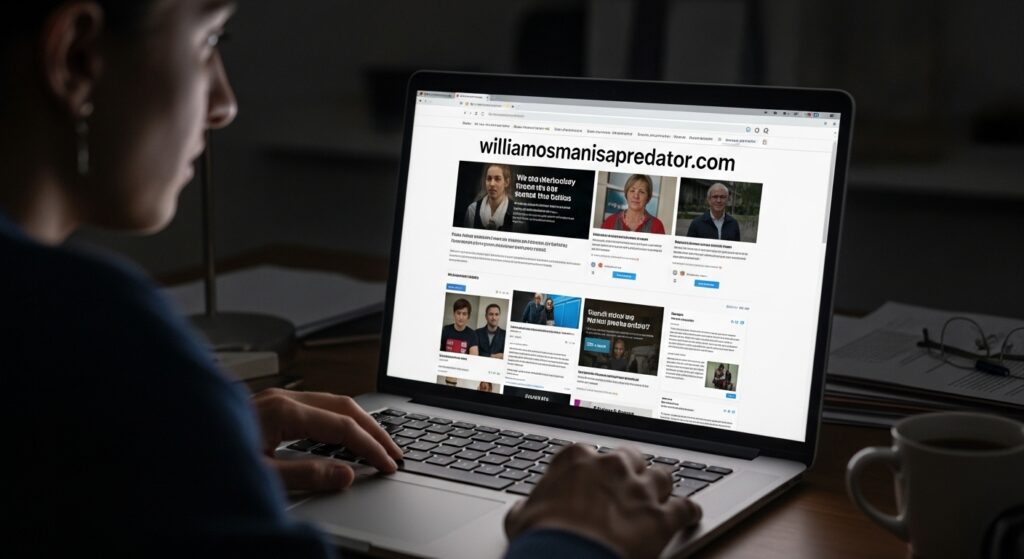
In a world where social media reigns supreme, viral sites can spring up overnight, capturing the attention of millions. They wield immense power to shape narratives and influence public perception. One such site that has stirred the pot recently is williamosmanisapredator.com. This URL has become synonymous with controversy and debate, highlighting how quickly information and misinformation can spread in our digital age.
As we navigate this landscape, it’s essential to understand the dynamics at play. From meme culture to sensational headlines, viral sites like this one reflect not only individual stories but also broader societal trends. They challenge us to consider how we engage with content online and what responsibilities come with sharing it. Let’s dive deeper into what makes williamosmanisapredator.com tick and explore its implications for those involved and society at large.
What is Williamosmanisapredator.com?
Williamosmanisapredator.com is a website that burst onto the digital scene, capturing attention with its controversial content. The site claims to expose potential misconduct associated with William Osman, an online creator known for his inventive videos and engaging personality.
The platform utilizes bold assertions and sensational headlines to draw in viewers. It has sparked considerable debate about accountability in online spaces. While some see it as a necessary watchdog effort, others criticize it for lacking substantial evidence.
This blend of intrigue and controversy makes the site particularly compelling. Users flock to explore its claims, often driven by curiosity or outrage. Amidst all this chaos lies the question of ethics surrounding such viral accusations and their lasting impact on individuals involved.
The Rise of Williamosmanisapredator.com
The rise of williamosmanisapredator.com has been nothing short of astounding. What began as a seemingly innocuous website quickly spiraled into a viral sensation, captivating audiences across social media platforms.
Fueled by sensational claims and controversial content, the site gained traction almost overnight. Memes circulated, tweets exploded with opinions, and discussions erupted on forums. The buzz was palpable; curiosity drove many to click through.
As views soared, so did the debate surrounding its implications. Some embraced it as an opportunity for justice while others questioned its ethical boundaries. This dichotomy added layers to the conversation about online accountability.
In just weeks, williamosmanisapredator.com transformed from a simple URL into a cultural phenomenon that reflects society’s appetite for drama and intrigue in the digital age. It serves as both entertainment and cautionary tale a mirror reflecting our collective engagement with provocative content online.
Impact on the Subject: William Osman
The emergence of williamosmanisapredator.com has profoundly affected William Osman. Once a well-known content creator and inventor, he now faces an uphill battle against the implications of this viral site.
As rumors spread like wildfire online, his reputation took a hit. The accusations leveled at him seem baseless to many who follow his work closely but can leave lasting scars in the digital landscape.
William’s fan base has rallied to support him, highlighting the importance of verifying information before sharing it. This incident serves as a stark reminder that misinformation can derail careers overnight.
His creativity and innovation remain intact despite this turmoil. However, navigating public perception is no easy task for someone thrust into such controversy without warning. The road ahead requires resilience amid ongoing scrutiny from both fans and critics alike.
Impact on Society and Audience Response
The emergence of williamosmanisapredator.com has ignited widespread discussion across social media platforms. This site, driven by sensationalism, taps into the public’s fascination with controversy and drama.
Audiences often react with a mix of outrage and curiosity. Some individuals rally to support William Osman, while others engage in harsh criticism. The polarizing nature of this content fuels debates about accountability and justice in the digital age.
Moreover, it raises questions about how quickly information spreads online. Viral sites can influence perceptions before all facts are established. Many viewers become part of a mob mentality, propelled by emotion rather than evidence.
As communities grapple with these phenomena, there’s an ongoing call for more responsible engagement online. Users are beginning to recognize their power in shaping narratives not just as passive consumers but as active participants in the discourse surrounding such controversial topics.
Navigating Privacy and Ethics in the Age of Viral Sites
The rise of viral sites like williamosmanisapredator.com poses significant challenges to privacy and ethics. As content spreads rapidly across social media, individuals often find themselves targets without their consent.
When a site goes viral, it can overshadow the person at its center. Public judgment takes precedence over context or truth. This raises serious ethical questions about accountability in digital spaces.
Users must navigate an intricate landscape where sharing information becomes second nature. Yet, the need for empathy should guide interactions online.
Creators and consumers alike have responsibilities. Respecting boundaries is crucial as we engage with sensitive topics that affect real lives. Balancing freedom of expression with ethical considerations fosters healthier discourse.
As society grapples with these issues, awareness remains key. Thoughtful engagement can lead to more responsible use of platforms dedicated to virality while safeguarding individual rights and dignity.
The Role of Content Creators and Responsibility in the Online World
Content creators wield significant influence in today’s digital landscape. With just a click, they can shape opinions, ignite debates, and even alter perceptions about individuals and issues.
This power comes with an inherent responsibility. Creators must recognize the weight of their words and actions. Misleading information or sensationalized content can have far-reaching consequences for those involved.
Ethics play a crucial role in this environment. Authenticity should be prioritized over virality. Engaging audiences is important, but it shouldn’t come at the expense of truthfulness or respect for others’ privacy.
Creators need to consider how their work impacts real lives. A momentary spike in views might lead to lasting repercussions for someone who becomes a target online. The balance between creativity and accountability is delicate yet vital in fostering a healthier online ecosystem.
Lessons Learned from Williamosmanisapredator.com
The saga of williamosmanisapredator.com offers valuable insights into the digital landscape. First, it highlights the speed at which information can spread online. A single post can ignite widespread attention in hours.
Moreover, this case underscores the importance of verifying facts before sharing content. Misinformation travels just as fast and can lead to significant consequences for individuals involved.
Engagement is another lesson here. The audience’s response plays a critical role in shaping narratives on such platforms. Online communities have power how they react can amplify or diminish a story’s reach.
It serves as a reminder of our collective responsibility when consuming and disseminating content. Each click, share, or comment contributes to an ongoing dialogue that influences perceptions and lives beyond what we see on our screens.
Conclusion
The emergence of williamosmanisapredator.com illustrates the potent mix of social media, viral content, and public response. It reveals how a single website can spark widespread debate and concern while also impacting individual lives significantly. William Osman’s story serves as a case study in understanding the consequences that come with digital fame both positive and negative.
As we navigate this landscape, it becomes essential to consider the ethical implications of sharing information online. Content creators hold significant power but must wield it responsibly. Each click and share contributes to a larger narrative that can shape perceptions and realities.
While viral sites like williamosmanisapredator.com may seem like mere trends, their effects ripple through society in profound ways. The lessons from such phenomena remind us all to be vigilant consumers of information, discerning about what we engage with online.
This exploration underscores an important truth: In our connected world, everything shared has the potential for far-reaching impact. Understanding these dynamics is vital for anyone participating in or observing today’s digital space.