
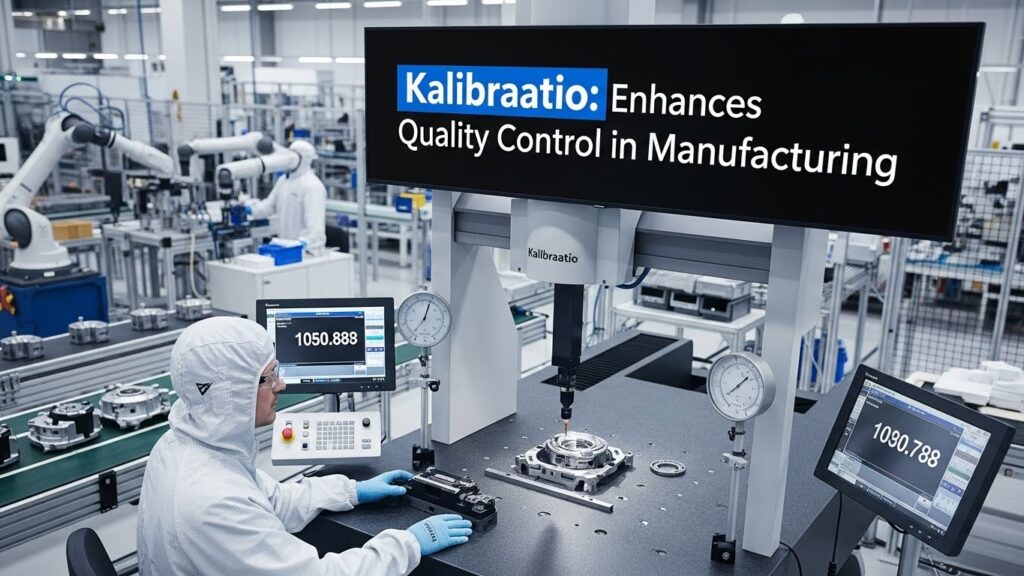
Kalibraatio is reshaping the landscape of quality control in manufacturing. As industries strive for greater efficiency and precision, this innovative approach emerges as a game-changer. Imagine a world where every component produced meets the highest standards with minimal waste and maximum reliability. That’s the promise of kalibraatio a method that goes beyond traditional practices to ensure not just compliance but excellence.
In an era marked by rapid technological advancements, manufacturers are on the lookout for solutions that enhance their processes. Kalibraatio steps into this role with its unique capabilities, offering companies a way to elevate their quality assurance efforts significantly. Whether you’re part of a large corporation or a small workshop, understanding kalibraatio could be crucial for your success in today’s competitive market.
What is Kalibraatio?
Kalibraatio is a critical process in the manufacturing sector, focusing on the precision and accuracy of measurement instruments. It ensures that tools and equipment provide reliable data, which is essential for maintaining product quality.
At its core, kalibraatio involves comparing an instrument’s readings to a standard or reference point. This comparison helps identify any discrepancies that could affect production outcomes.
Manufacturers utilize kalibraatio to minimize errors during testing and measurements. By regularly calibrating their devices, companies can maintain compliance with industry standards while enhancing operational efficiency.
The process not only boosts quality control but also instills confidence in both manufacturers and consumers. A calibrated system guarantees that every product meets specific specifications before reaching the market.
The Traditional Method of Quality Control in Manufacturing
Quality control in manufacturing has long relied on traditional methods that focus heavily on inspections and manual checks. Workers often scrutinize products at various stages of production, looking for defects or inconsistencies.
These methods can involve sampling techniques where only a fraction of the output is examined. This approach can lead to missed errors, resulting in flawed products reaching customers.
Relying solely on human judgment also introduces variability. Different inspectors may have different thresholds for what constitutes an acceptable product.
Documentation plays a crucial role too; records of inspections need to be meticulously maintained to track quality over time. Yet, this process can be labor-intensive and prone to error.
As industries evolve, these conventional practices face pressure from rising consumer expectations and technological advancements. The quest for efficiency drives manufacturers to seek more reliable alternatives that ensure consistent quality throughout the production cycle.
How Kalibraatio Improves Quality Control in Manufacturing
Kalibraatio revolutionizes quality control in manufacturing by ensuring precision and consistency. Unlike traditional methods, it employs advanced tools and techniques that streamline the calibration process.
This approach minimizes human error, which can be a significant factor in production inconsistencies. With Kalibraatio, machines are regularly calibrated to meet exact specifications, enhancing overall product reliability.
Furthermore, it allows for real-time monitoring of equipment performance. This proactive strategy means potential issues can be addressed before they escalate into costly problems.
Data analytics plays a crucial role as well. By analyzing calibration data over time, manufacturers gain insights that lead to improved processes and reduced waste.
Implementing Kalibraatio creates a culture of continuous improvement within organizations. Teams become more accountable as they focus on maintaining high standards throughout the production cycle.
Real-Life Examples of Companies Using Kalibraatio
Several companies have embraced kalibraatio, revolutionizing their quality control processes. One notable example is a leading automotive manufacturer that implemented this system to enhance precision in assembly lines. By ensuring equipment accuracy, they reduced defects significantly.
In the electronics sector, a prominent tech firm utilized kalibraatio for testing components before production. This proactive measure minimized waste and improved overall product reliability.
A food processing company also adopted kalibraatio to monitor measurements throughout its operations. This approach ensured compliance with safety regulations while boosting consumer confidence in their products.
Even small businesses are reaping benefits from kalibraatio. A local craft brewery now maintains consistent flavor profiles by calibrating their brewing equipment regularly, showcasing how this method can suit various scales of operation. Each case demonstrates the versatility and effectiveness of kalibraatio across different industries.
The Benefits of Using Kalibraatio in Manufacturing
Kalibraatio offers manufacturers a range of advantages that can significantly enhance their operational efficiency. By ensuring precision in measurements, it minimizes the likelihood of errors during production. This accuracy translates to higher-quality products.
Another key benefit is the reduction in waste. With kalibraatio, manufacturers can fine-tune processes, leading to fewer defective items and less material wastage. This sustainable approach not only saves costs but also supports eco-friendly practices.
Additionally, implementing kalibraatio fosters greater compliance with industry standards. Companies adhering to these regulations gain credibility and trust among consumers.
Enhanced traceability is another critical advantage. Kalibraatio allows for better monitoring throughout the manufacturing process, making it easier to identify areas needing improvement or adjustment.
This method also encourages innovation by providing insights into production trends and patterns that may not have been visible before. It opens doors for continuous improvement within manufacturing operations.
Future Possibilities and Advancements with Kalibraatio
The future of kalibraatio is brimming with potential. As technology advances, we can expect even more sophisticated calibration tools and systems. This evolution will enhance precision in manufacturing processes.
Artificial intelligence could play a significant role. Machine learning algorithms may analyze vast amounts of data to predict when equipment needs recalibration. This proactive approach minimizes downtime and maximizes efficiency.
Integration with IoT devices is another exciting avenue. Real-time monitoring could provide instant feedback on performance, allowing for immediate adjustments to maintain quality standards.
Moreover, advancements in virtual reality (VR) might revolutionize training for operators involved in kalibraatio processes. Immersive simulations can prepare personnel to handle complex calibration tasks effectively.
As industries embrace sustainability, eco-friendly calibration methods are likely to emerge. These innovations not only improve quality control but also align manufacturing practices with environmental goals, paving the way for a greener future.
Conclusion
Kalibraatio is revolutionizing the landscape of manufacturing quality control. By integrating advanced calibration methods, it ensures that products meet stringent standards with greater accuracy and efficiency. The traditional approaches to quality control often leave room for error, but kalibraatio minimizes those risks significantly.
Companies across various sectors are already witnessing numerous benefits from adopting kalibraatio. These include reduced waste, improved product consistency, and enhanced customer satisfaction. As technology continues to advance, there’s a promising future ahead for kalibraatio in manufacturing processes.
Embracing this innovative approach could be the key to maintaining competitiveness in a rapidly evolving market. Manufacturers looking to enhance their quality control measures should seriously consider incorporating kalibraatio into their systems. It stands as not just a tool for improvement but also as a pathway toward excellence in production standards.