
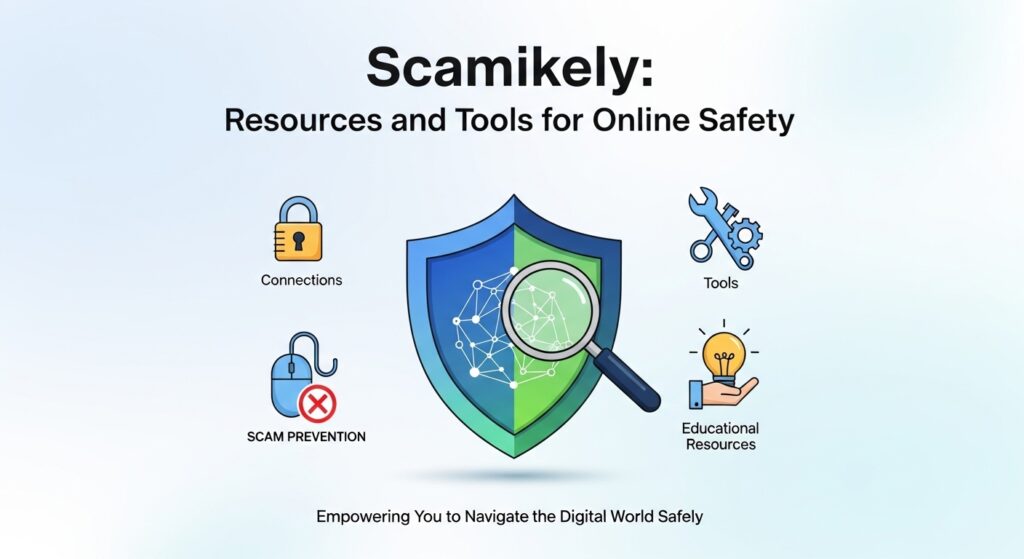
The digital world is a vast landscape filled with opportunities, but it also harbors numerous pitfalls. Online scams are becoming increasingly sophisticated, targeting unsuspecting users every day. From phishing emails that look alarmingly legitimate to fake websites designed to steal your personal information, Scamiikely the threats are everywhere. As we navigate this complex online environment, awareness and vigilance become our best defenses.
That’s where Scamiikely comes in a beacon of hope for those looking to protect themselves from online deception. This platform offers valuable insights into various types of scams and equips you with the tools you need to stay safe while browsing the internet. Whether you’re a seasoned web user or just dipping your toes into the digital arena, understanding how these scams work is essential for safeguarding yourself against them.
What is Scamiikely?
Scamiikely is a comprehensive platform designed to raise awareness about online scams. It serves as a resource hub for individuals seeking guidance on how to navigate the treacherous waters of digital deception.
At its core, Scamiikely aims to educate users on various types of scams that proliferate online. From phishing emails to fraudulent investment opportunities, it sheds light on tactics scammers use every day.
The website includes tools and resources that empower users. Whether you’re looking for tips or want to report suspicious activity, Scamiikely has you covered.
With an easy-to-navigate interface, anyone can quickly access valuable information tailored for their needs. The goal is simple: create a safer online environment where people feel confident while browsing and interacting digitally.
Types of Online Scams
Online scams come in various forms, each designed to trick unsuspecting individuals. Phishing scams are among the most common. They often involve fake emails or messages that appear legitimate, enticing users to share personal information.
Another prevalent type is the lottery scam. Victims receive notifications claiming they’ve won a prize but must pay fees upfront to claim their winnings.
Romance scams prey on emotions. Scammers create fake profiles on dating sites and build connections with victims before asking for money under false pretenses.
Tech support scams target those seeking help for computer issues. Fraudsters pose as tech representatives, convincing people to grant them access or pay for unnecessary services.
Investment scams lure individuals with promises of high returns with minimal risk. These often exploit popular trends or topics like cryptocurrency. Being aware of these types can significantly reduce your chances of falling victim to online fraud.
How to Identify a Scam
Identifying a scam requires vigilance and awareness. Start by examining the source. Is it a reputable organization? Scammers often impersonate well-known brands to gain your trust.
Next, pay attention to language. Phrases like “urgent action required” or “limited time offer” are common red flags. Legitimate businesses rarely use high-pressure tactics.
Check for signs of poor grammar or awkward phrasing in messages. These can indicate that the communication is from an unprofessional source, not a legitimate company.
Verify any links before clicking on them. Hover over hyperlinks to see where they lead; if they don’t match the expected URL, exercise caution.
Trust your instincts. If something feels off or too good to be true, it probably is. Always take a step back and assess before engaging further with suspicious content.
Common Red Flags to Look Out For
When navigating the online world, it’s crucial to stay alert for common red flags. These warning signs can help you avoid falling victim to scams.
Unsolicited messages often raise suspicion. If an offer seems too good to be true or comes from an unfamiliar source, proceed with caution.
Watch out for poor grammar and spelling errors in communications. Scammers frequently overlook these details, giving away their intentions.
Pressure tactics are another indicator. If someone urges you to act quickly, take a step back. Legitimate organizations will allow you time to think things over.
Requests for personal information should always trigger alarm bells. Never provide sensitive data unless you’re sure of who you’re dealing with and why they need it.
Trust your instincts. If something feels off about the interaction or deal, it’s better to err on the side of caution than risk being scammed.
Resources for Protecting Yourself Against Scams
Staying informed is your first line of defense against scams. Online platforms like the Federal Trade Commission (FTC) offer a wealth of resources to help you recognize and report fraudulent activities.
Local consumer protection agencies provide targeted advice tailored to your community. They often host workshops or webinars on recognizing various scams that could affect residents.
Social media groups focused on scam awareness can also be invaluable. Members frequently share their experiences, tips, and warnings about emerging threats.
Consider subscribing to reputable newsletters dedicated to online safety. These updates keep you abreast of current trends in digital fraud.
Don’t underestimate the power of community support. Engaging with friends and family about potential scams can create a network where everyone looks out for one another’s safety online.
Tools for Enhancing Online Safety
When it comes to enhancing online safety, several tools can make a significant difference. Password managers are essential for securely storing and generating strong passwords. They help you avoid the pitfalls of using easily guessable credentials.
Two-factor authentication (2FA) adds an extra layer of security to your accounts. By requiring a second form of verification, such as a text message code or biometric scan, it makes unauthorized access much harder.
VPNs (Virtual Private Networks) are another vital tool. They encrypt your internet connection and mask your IP address, providing anonymity while browsing.
Consider browser extensions that block ads and trackers. These tools not only improve speed but also reduce the risk of inadvertently clicking on malicious links or banners. Prioritize these resources in your digital toolkit to stay one step ahead of potential threats online.
Staying Safe in the Digital World
Staying safe in the digital world requires vigilance and smart habits. Each click can lead to unexpected risks, so it’s essential to stay informed. Start by using strong, unique passwords for every account. Consider a password manager to keep track of them securely.
Regularly update your software and devices. Updates often patch security vulnerabilities that scammers exploit. Be cautious with emails and messages from unknown sources. Phishing attempts disguise themselves as legitimate communication, tricking users into revealing sensitive information.
Use two-factor authentication whenever possible. This adds an extra layer of protection against unauthorized access to your accounts. Trust your instincts. If something seems too good to be true or feels off, take a step back before engaging further online activities. Your awareness is key in navigating this vast digital landscape safely.
Conclusion
The digital landscape can be a minefield of potential scams, making it essential to stay informed and vigilant. Scamiikely serves as a guiding light in navigating these treacherous waters. By understanding the various types of online scams and honing your ability to identify them, you empower yourself against fraudsters.
Recognizing common red flags is crucial for protecting your personal information and finances. Resources like educational websites, forums, and helplines are invaluable in enhancing your awareness of current scam tactics. Meanwhile, technology continues to evolve with tools designed specifically for bolstering online safety these serve as excellent companions on your journey toward a secure digital experience.
Staying safe means being proactive. Equip yourself with knowledge and resources that help you make sound decisions while engaging online. The more aware you are, the less likely you will fall victim to deceitful schemes lurking behind screens. Embrace a mindset focused on caution without succumbing to fear; this balance will allow you to enjoy everything the internet has to offer securely.