
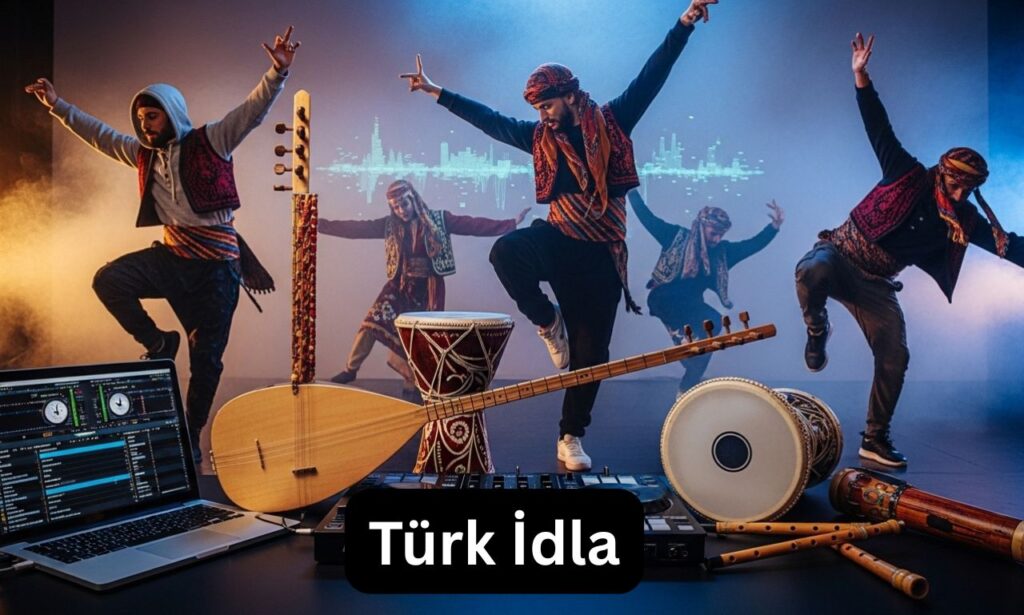
Türk İdla is a fascinating thread woven into the vibrant tapestry of Turkish culture. This ancient practice, often overlooked in modern society, holds secrets that transcend time and place. As we dive deeper, we’ll uncover how Türk İdla continues to resonate with the people of Turkey today. From its rich history to its evolving role in contemporary life, this unique tradition offers insights into identity and community. Join us on a journey to explore the essence of Türk İdla and discover why it remains relevant in an ever-changing world.
What is Türk İdla?
Türk İdla is a traditional form of Turkish oral literature. It encompasses storytelling, poetry, and music, breathing life into the rich cultural tapestry of Turkey.
This art form reflects the emotions and experiences of everyday people. It serves as both entertainment and a means to preserve history.
In Türk İdla, performers often weave personal narratives with folklore elements. The rhythmic patterns in their delivery captivate audiences while conveying deep messages about love, struggle, and resilience.
The practice usually takes place in communal spaces such as coffeehouses or at family gatherings. It creates bonds among listeners and fosters a sense of belonging within communities.
Through engaging performances that blend voice with occasional instruments like the bağlama or lute, Türk İdla connects generations—keeping traditions alive while adapting to contemporary themes and issues relevant today.
History and Origins of Türk İdla
The roots of Türk İdla can be traced back to ancient Turkic tribes. These communities used it as a form of oral storytelling, passed down through generations.
Originally, Türk İdla served practical purposes, such as preserving history and teaching moral lessons. It was an essential tool for maintaining cultural identity in the face of challenges.
As the Ottoman Empire expanded, these traditions began to intermingle with other cultures. This fusion enriched Türk İdla but also introduced complexities in its interpretation and practice.
Throughout centuries, various artistic elements have influenced this tradition. Poets and musicians contributed to its evolution by infusing local dialects and themes that resonated with different audiences.
Today, Turkish scholars work diligently to document these rich narratives. They seek to understand how this age-old art form has adapted while remaining deeply connected to its origins.
The Role of Türk İdla in Modern Turkish Society
Türk İdla plays a significant role in the social fabric of modern Turkey. It acts as a bridge connecting generations, fostering community ties and cultural identity.
In bustling cities like Istanbul or Ankara, you can find vibrant gatherings centered around Türk İdla. These events serve as platforms for storytelling and sharing experiences that resonate deeply within Turkish culture.
Moreover, Türk İdla encourages collaboration among artists and musicians. Young talents often draw inspiration from traditional practices while infusing contemporary elements into their work.
Educational institutions have also recognized its importance. Schools are incorporating Türk İdla into their curricula to teach students about heritage, creativity, and expression.
This ancient practice continues to thrive amidst modernization, proving its relevance today. As it adapts to new influences, Türk İdla remains an essential aspect of everyday life for many Turks across the nation.
Cultural Significance and Traditions of Türk İdla
Türk İdla is deeply intertwined with the cultural fabric of Turkey. It’s not just a practice; it’s an expression of identity and community.
Traditions surrounding Türk İdla often involve gatherings where melodies echo through the valleys, creating a sense of belonging among participants. This shared experience strengthens social ties, bridging generations.
Ceremonies frequently feature traditional instruments like the bağlama and drum, enhancing the emotional depth of performances. Each note tells a story that resonates with listeners.
Moreover, festivals celebrating Türk İdla serve as platforms for preserving folklore and passing down wisdom from elders to youth. These events are vibrant showcases of Turkish heritage.
Through dance and song, individuals celebrate life’s milestones—births, weddings, and harvests—imbuing them with layers of meaning tied to their ancestral roots. The harmonious blend of music and movement creates unforgettable memories within communities across Turkey.
Common Misconceptions and Stereotypes Surrounding Türk İdla
Many people associate Türk İdla solely with traditional music and dance, overlooking its deeper cultural significance. While performance is a key aspect, it’s not the entirety of this rich practice.
Another common misconception is that Türk İdla belongs to only one region or ethnic group in Turkey. In reality, it encompasses various styles influenced by diverse communities across the country.
Some think it’s an outdated practice limited to festivals or special events. However, Türk İlda continues to thrive in everyday life, influencing contemporary art and social gatherings.
Moreover, many perceive it as merely entertainment without recognizing its role in preserving history and fostering community ties. This misunderstanding diminishes the profound connection that practitioners feel toward their heritage through this art form.
Such stereotypes can undermine efforts to promote appreciation for Türk İdla as a living tradition rather than a relic of the past.
Impact of Globalization on Türk İdla
Globalization has woven itself into the fabric of Türk İdla, bringing both opportunities and challenges. With the rise of technology and communication, this ancient practice is experiencing newfound visibility.
Turkish youth are increasingly sharing their interpretations of Türk İdla through social media platforms. This exposure helps keep traditions alive while inviting fresh perspectives. The fusion of modern elements with traditional practices creates an evolving art form that appeals to a broader audience.
However, globalization also poses threats. As Western influences permeate Turkish culture, some fear that authentic expressions may fade away. Traditionalists worry about cultural dilution amid rapidly changing trends.
Despite these concerns, many artisans and practitioners focus on preserving the essence of Türk İdla. Innovative projects aim to blend heritage with contemporary styles without compromising authenticity. Balancing tradition with modernity could be key in navigating this global landscape while ensuring that Türk İdla remains vibrant for future generations.
Future of Türk İdla and its Preservation
The future of Türk İdla lies in the hands of a new generation. As younger Turks reconnect with their cultural roots, interest in this ancient practice is revitalizing. Workshops and online courses are emerging, making it accessible to all.
Digital platforms also play a crucial role. Social media showcases performances and traditional narratives, attracting global attention. This exposure fosters appreciation beyond Turkey’s borders.
Moreover, community events promote participation. Festivals dedicated to Türk İdla bring together enthusiasts and newcomers alike, strengthening communal bonds.
However, challenges remain. Globalization threatens authenticity as modern influences seep into traditions. Maintaining purity while embracing innovation will be vital for the preservation of Türk İdla.
Collaborations between artisans and educators can help blend old techniques with contemporary creativity. Such partnerships ensure that Türk İdla remains relevant without losing its essence over time.
Conclusion
Türk İdla is more than just a traditional practice; it embodies the spirit of Turkish culture and community. Its rich history, rooted in ancient traditions, continues to influence modern life in Turkey today. As society evolves, so does Türk İdla, adapting while still maintaining its core values and significance.
The cultural importance of Türk İdla cannot be overstated. It brings people together and fosters connections across generations. However, misconceptions about this art form persist, often overshadowing its true essence. Addressing these stereotypes can pave the way for a more profound appreciation of Türk İdla.
In an age marked by globalization, Turkish Idla faces both challenges and opportunities. The influx of international influences may dilute some aspects but also opens avenues for innovation within this cherished tradition. As individuals work towards preserving the authenticity of Türk İdla while embracing change, there remains hope that future generations will continue to celebrate this vital part of their heritage.
As we reflect on the journey of Türk İlda from its origins to its presence in contemporary life, it’s clear that honoring this practice is essential not only for cultural identity but also for enriching our collective human experience.