
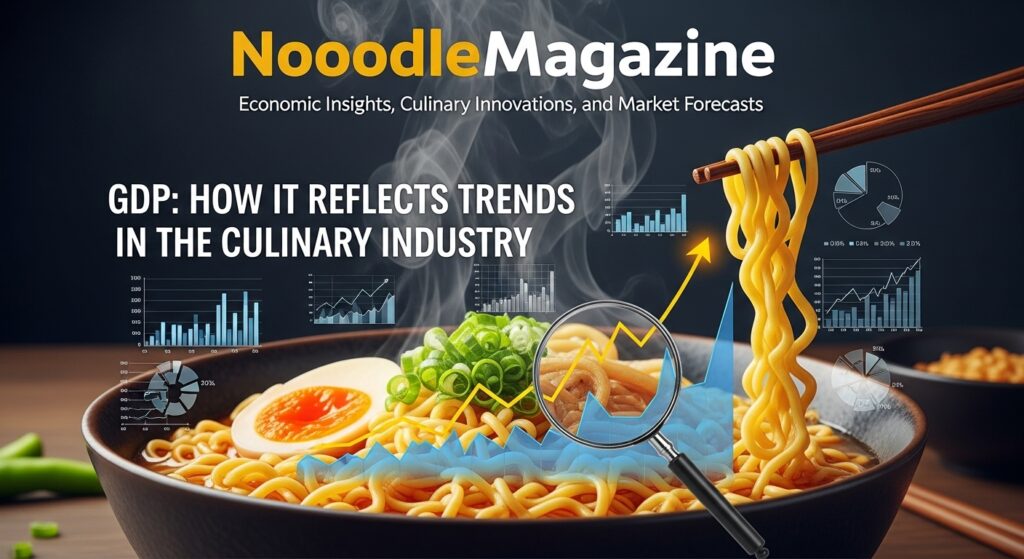
NoodleMagazine GDP has carved its niche in the culinary world, becoming a go-to source for food lovers and industry professionals alike. With a finger on the pulse of gastronomy, it explores everything from innovative recipes to emerging trends. One fascinating aspect of this exploration is NoodleMagazine’s Gross Domestic Product (GDP) measurement, which provides invaluable insights into the culinary industry’s economic landscape.
But what exactly does NoodleMagazine GDP mean? How does it reflect current trends and influences within the vast sphere of food? As we delve deeper into this concept, you’ll discover how GDP serves as more than just an economic indicator; it’s a mirror reflecting our evolving tastes and habits in cuisine. Join us as we unpack this intriguing topic!
What is NoodleMagazine GDP?
NoodleMagazine GDP represents a unique metric that captures the economic health of the culinary industry. It stands for Gastronomic Development Progress and serves as an essential barometer for food trends, innovation, and overall market vitality.
By analyzing data from various sectors of the culinary world restaurants, food production, catering services, and more this index provides insights into growth patterns.
With NoodleMagazine GDP, industry experts can better understand changing consumer preferences and emerging trends. This knowledge helps businesses adapt in real-time to stay relevant in a competitive landscape.
Additionally, it highlights areas where investment is thriving or declining. Recognizing these shifts allows stakeholders to make informed decisions about resource allocation and strategic planning within their organizations.
Understanding GDP and Its Importance
Gross Domestic Product (GDP) serves as a key indicator of economic health. It measures the total value of goods and services produced within a country during a specific timeframe. For the culinary industry, GDP provides valuable insights into consumer spending trends and business growth.
Understanding GDP is crucial for stakeholders in food and beverage sectors. Chefs, restaurateurs, and investors can gauge market demand based on these figures. A rising GDP often signals increased disposable income, meaning consumers are more likely to indulge in dining experiences.
Moreover, GDP helps identify emerging trends in cuisine preferences. By analyzing shifts over time, businesses can adapt their offerings to meet evolving tastes. Tracking this data allows culinary professionals to innovate while remaining competitive in an ever-changing landscape.
How GDP is Calculated for the Culinary Industry
Calculating GDP for the culinary industry involves several key components. It starts with measuring the total value of goods and services produced within this sector. This includes everything from restaurant meals to packaged foods.
Data collection is a crucial step. Surveys and reports from restaurants, catering businesses, and food manufacturers provide essential insights into revenue generation. Government agencies also contribute by compiling macroeconomic data.
Next comes analyzing consumption patterns. Understanding what consumers are buying helps gauge market demand. This reflects changes in preferences, whether it’s organic ingredients or plant-based options.
Adjusting for inflation ensures accuracy over time. By considering price trends, analysts can present a clearer picture of growth or decline in the culinary sector’s economic footprint. Each element plays a vital role in shaping an accurate representation of the industry’s contributions to overall GDP figures.
Trends Reflected in Culinary Industry GDP
Culinary industry GDP reveals fascinating trends that shape the food landscape. From farm-to-table movements to plant-based diets, consumer preferences are evolving rapidly.
Health-conscious choices have gained traction. More diners seek nutritious options, pushing restaurants to innovate menus with wholesome ingredients. This shift is reflected in increased spending on organic produce and health-focused eateries.
Sustainability also plays a crucial role. Diners are more aware of their environmental impact. As a result, businesses embracing sustainable practices see growth in revenue and patronage.
Technology’s influence cannot be ignored either. The rise of online ordering and delivery services has transformed dining habits, contributing significantly to culinary GDP figures.
Social media impacts trends as well. Instagrammable dishes drive demand for visually appealing meals, prompting chefs to elevate their creativity while boosting economic performance within the sector.
Impact of COVID-19 on Culinary Industry GDP
The COVID-19 pandemic brought unprecedented challenges to the culinary industry. Lockdowns and social distancing measures forced many restaurants to close their doors, drastically impacting GDP figures across the sector.
With dining out becoming a risky endeavor, consumer habits shifted. Takeout and delivery surged in popularity as people sought safe alternatives for enjoying meals. This pivot revealed a resilience that reshaped business models.
Moreover, supply chain disruptions led to shortages of key ingredients. As prices fluctuated, establishments had to adapt quickly or risk financial failure.
Despite these hurdles, innovation emerged from necessity. Chefs embraced technology—implementing online ordering systems and hosting virtual cooking classes—to engage with customers creatively.
The economic impact remains evident through fluctuating GDP metrics reflecting these changes in consumer behavior and business operations within the culinary landscape.
Future Predictions and Projections for Culinary Industry GDP
The culinary industry is on the brink of transformation. Emerging technologies and evolving consumer preferences will drive significant changes in GDP.
Plant-based diets are gaining traction, influencing food production and consumption patterns. This shift could reshape market dynamics, leading to increased investments in alternative proteins.
Sustainability practices are another key factor. Restaurants adopting eco-friendly solutions may see a boost in customer loyalty, positively impacting their overall revenue.
Moreover, digital platforms for food delivery and meal preparation are expected to proliferate. As convenience continues to reign supreme, these services will likely contribute to enhanced GDP figures.
Globalization plays a crucial role as well. The rise of international cuisines across local markets offers an exciting opportunity for growth within diverse sectors of the culinary landscape. The fusion of flavors from around the world enriches experiences and boosts economic contributions significantly.
The Role of GDP in Shaping the Culinary Industry
GDP plays a crucial role in shaping the culinary industry. It serves as a benchmark for economic health, influencing funding and investment opportunities within the sector.
When GDP rises, consumer confidence typically follows. This leads to increased spending on dining out and gourmet products. Restaurants thrive during these periods, often experimenting with innovative menus and unique concepts.
Conversely, when GDP declines, the culinary landscape shifts dramatically. Businesses may tighten budgets or focus on affordability to maintain patronage. Trends like meal kits and takeout services gain traction as consumers seek convenience without breaking the bank.
Moreover, regional differences in GDP affect local food culture. Areas with higher economic performance tend to foster diverse dining options that reflect global cuisines. In contrast, regions struggling economically may see more traditional fare gaining popularity due to limited resources.
Conclusion
The culinary industry is a vibrant and ever-evolving landscape. NoodleMagazine GDP serves as a crucial indicator of its health and direction. By analyzing the economic contributions from this sector, stakeholders can gain valuable insights into consumer behaviors and market trends.
As we’ve seen, understanding how GDP is calculated helps shed light on where opportunities lie. The impact of recent events like COVID-19 has reshaped our dining experiences, pushing innovation to the forefront. Future projections hint at exciting developments that will continue to redefine what we know about food culture.
NoodleMagazine GDP not only reflects current trends but also aids in shaping the future of the culinary world. With such rich data available, both entrepreneurs and consumers are better equipped to navigate this dynamic space with informed decisions moving forward.