
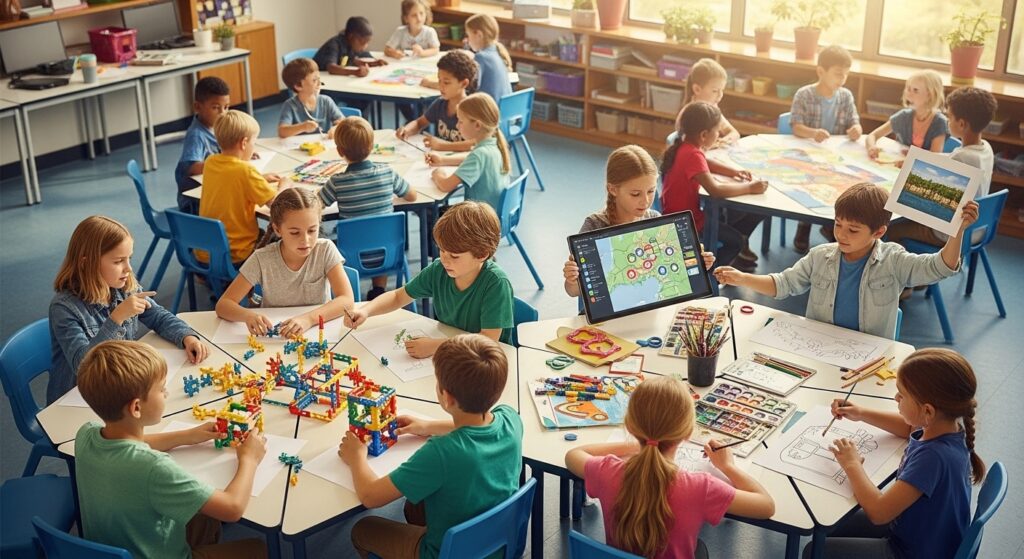
Imagine a classroom where students are not just passive listeners but active participants in their learning journey. This is the essence of collaborative classrooms, a vibrant environment that fosters teamwork and communication among students. With traditional teaching methods often falling short in engaging today’s learners, innovative approaches like Sosoactive Education are stepping into the spotlight.
By emphasizing collaboration, this educational model transforms how knowledge is shared and absorbed. It encourages students to work together, think critically, and solve problems collectively. As we explore the world of collaborative classrooms further, you’ll discover how Sosoactive Education paves the way for more interactive and inclusive learning experiences that resonate with 21st-century skills. Ready to dive deeper? Let’s unravel what makes this approach so compelling!
What is Sosoactive Education?
Sosoactive Education is a progressive approach that emphasizes active participation and collaboration among students. It transforms traditional teaching methods by encouraging learners to engage with one another, facilitating deeper understanding through shared experiences.
At its core, Sosoactive Education nurtures communication skills and critical thinking. Students work together on projects, solving problems collectively while developing essential social skills. This approach fosters an environment where every voice matters, promoting inclusivity and teamwork.
Moreover, Sosoactive Education integrates technology seamlessly into the learning process. Online platforms enable real-time collaboration even from different locations. This flexibility broadens access to diverse perspectives.
This method reshapes the educational landscape by making learning more dynamic and relevant in today’s interconnected world. By prioritizing interaction over rote memorization, it prepares students for future challenges in both academics and life beyond school walls.
Benefits of Collaborative Learning
Collaborative learning fosters a dynamic environment where students can thrive together. It encourages active participation, allowing learners to voice their ideas and perspectives.
Working in teams cultivates critical thinking skills. Students must analyze concepts, debate solutions, and arrive at collective decisions. This process enhances understanding beyond individual capabilities.
Moreover, collaboration nurtures social skills essential for future success. Students learn the value of communication, negotiation, and conflict resolution while building relationships with peers.
Diverse viewpoints lead to richer discussions. When individuals from different backgrounds collaborate, they bring unique insights that challenge assumptions and broaden horizons.
Collaborative learning promotes accountability among participants. Each member recognizes their role in achieving group goals, fostering a sense of responsibility towards one another’s learning journey.
Challenges Faced in Traditional Classrooms
Traditional classrooms often struggle with rigid structures. This rigidity can stifle creativity and reduce student engagement. Students frequently find themselves passive recipients of information rather than active participants in their learning journey.
Moreover, the one-size-fits-all teaching approach fails to address diverse learning styles. Some students thrive on collaboration, while others excel in independent work. When these differences are overlooked, many learners may fall behind or become disengaged.
Another challenge is limited interaction among peers. In traditional settings, desks are often arranged in rows, making it difficult for students to communicate effectively. This lack of collaboration can create an isolated environment that hinders teamwork skills essential for future success.
Classroom management issues arise when teachers must juggle various needs and behaviors within a single lesson plan. These challenges hamper opportunities for innovative teaching methods that promote deeper understanding through collaborative efforts.
The Role of Technology in Creating Collaborative Classrooms
Technology plays a pivotal role in fostering collaborative classrooms. It breaks down traditional barriers and creates an interactive learning environment.
Tools such as digital whiteboards, online platforms, and educational apps encourage students to share ideas freely. Group projects become more dynamic when students can collaborate in real-time, regardless of their physical location.
Moreover, technology enables personalized learning experiences. Students can work at their own pace while still engaging with peers through discussion forums and shared documents.
Virtual reality offers immersive experiences that enhance teamwork skills by placing learners in simulated scenarios where they must solve problems together.
These technological advancements not only increase student engagement but also prepare them for the demands of modern workplaces where collaboration is essential. Embracing these tools transforms how education is delivered and received, paving the way for innovative teaching methods.
Strategies for Implementing Collaborative Learning
To effectively implement collaborative learning, start by establishing clear objectives. Define what you want students to achieve collectively and individually.
Next, create diverse groups. Mixing different skill levels and backgrounds fosters richer discussions and insights. Encourage peer-to-peer interaction; this builds trust and communication skills among students.
Incorporate technology seamlessly into the classroom experience. Tools like shared documents or project management apps can streamline collaboration, making it easier for students to work together efficiently.
Design engaging activities that require teamwork. Hands-on projects or problem-solving exercises motivate learners while promoting critical thinking.
Provide ongoing feedback throughout the process. Regular check-ins help track progress and allow adjustments based on group dynamics. This ensures everyone remains engaged in their learning journey without straying off course.
Success Stories of Schools Using Collaborative Learning
Schools across the globe are embracing collaborative learning with remarkable results. One inspiring example is a middle school in California, where students work in teams to tackle real-world challenges. Their project-based approach has significantly boosted engagement and comprehension.
In another instance, an urban high school implemented a peer teaching model that empowered students to share knowledge on various subjects. This initiative not only improved academic performance but also fostered strong friendships among classmates.
A rural district introduced technology-enhanced group projects that allowed students to connect with peers from different schools. The collaboration transcended geographical barriers, enhancing cultural awareness and teamwork skills.
These success stories highlight how collaborative learning environments can transform education by making learning more relevant and enjoyable for students of all backgrounds. It’s clear that when students come together, they can achieve extraordinary things.
The Future of Education is Collaboration
The landscape of education is shifting. Traditional methods are increasingly giving way to collaborative approaches.
Students today thrive in environments that encourage teamwork and collective problem-solving. They learn from one another, sharing diverse perspectives that enrich the educational experience.
As technology continues to evolve, it creates new opportunities for collaboration. Online platforms facilitate connections among learners across geographical barriers, fostering a global classroom environment.
Educators are recognizing this shift as essential for preparing students for the workforce. Skills like communication and adaptability are crucial in a world where teamwork drives innovation.
Collaboration cultivates a sense of community within classrooms. Students develop empathy and social skills while working together towards common goals, making learning more engaging and meaningful.
This future is bright with potential as schools embrace collaborative strategies, reshaping how knowledge is constructed and shared across generations.
Conclusion
Collaborative classrooms are transforming the educational landscape. Sosoactive education is at the forefront of this shift, promoting engagement and interaction among students. The benefits of collaborative learning extend beyond academic performance; they also foster essential life skills such as teamwork, communication, and critical thinking.
While challenges persist in traditional classroom settings, technology bridges many gaps. It facilitates collaboration by providing platforms for students to connect regardless of their physical location. With thoughtful strategies for implementation, educators can create an environment where every student feels valued and empowered.
Success stories from schools embracing this approach demonstrate that collaborative learning works. Students thrive when they learn from one another while teachers guide them through meaningful interactions.
As we move forward into a future shaped by collaboration, it’s clear that sosoactive education will play a pivotal role in how we teach and learn. Embracing these changes opens doors to a richer educational experience for everyone involved.