
There is nothing quite as disheartening for a jewelry lover as reaching for a favorite necklace only to find it has lost its shine. That once-sparkling gold chain now looks dull, darkened, or discolored. For jewelry makers, this scenario is even more frustrating. You spend hours designing and assembling a beautiful piece, only for the components to degrade after a few months of wear. It affects your brand reputation and disappoints your customers.
The solution isn’t necessarily switching exclusively to solid gold or platinum, which can drive prices out of reach for many buyers. Instead, savvy designers are turning to high-quality alternatives that bridge the gap between affordability and longevity. Specifically, tarnish resistant jewelry making findings are changing the game for independent creators and hobbyists alike. These components offer the durability and aesthetic appeal of high-end materials without the exorbitant cost, allowing you to create stunning, long-lasting pieces that your customers will cherish for years.
The Backbone of Your Designs: Why Findings Matter
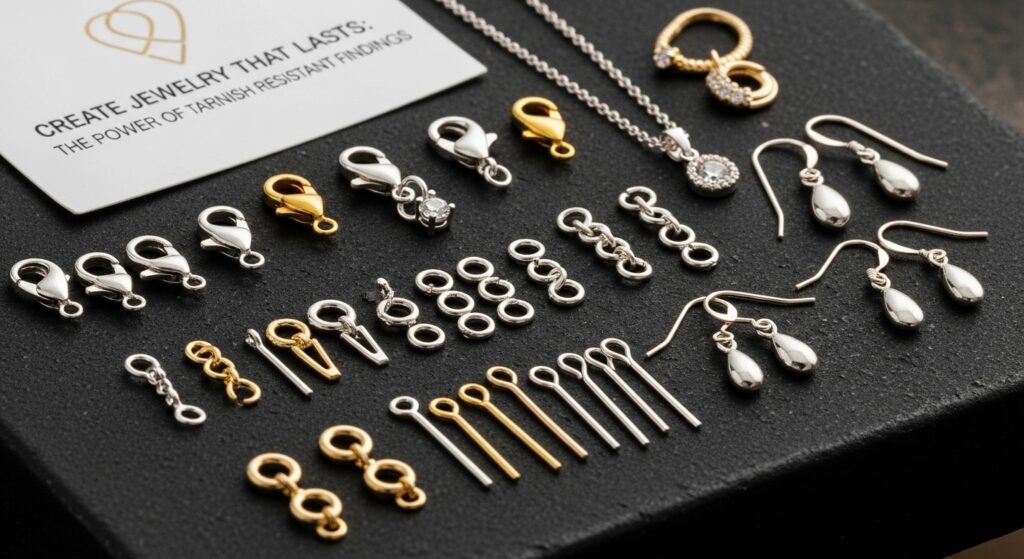
In the world of jewelry making, “findings” refers to the structural and functional parts of jewelry—the clasps, jump rings, ear wires, headpins, and bead caps that hold everything together. While gemstones and beads often steal the spotlight, the findings are the true workhorses of any design. If they fail, the piece is unwearable.
When you choose standard, lower-quality metal components, you run the risk of rapid oxidation. Oxidation occurs when metals react with oxygen, moisture, and chemicals (like perfume or lotion), creating a dark layer on the surface. By prioritizing tarnish resistant options, you are effectively insuring your art. You are ensuring that the structural integrity and the visual finish remain intact through daily wear.
Unlocking the Secret of Tarnish Resistance
What makes a finding “tarnish resistant”? It usually comes down to the base metal and the plating technology used.
Many high-quality tarnish resistant components start with a solid brass core. Brass is an alloy of copper and zinc, known for its strength and durability. It mimics the weight and feel of gold, giving jewelry a luxurious heft that plastic or cheaper alloys cannot match.
To achieve tarnish resistance, manufacturers often use a specialized plating process. This involves coating the brass with layers of precious metals like 18k gold, rose gold, or rhodium. However, the real magic lies in the final protective coating—often a clear, electrophoretic lacquer or similar technology—that seals the metal. This barrier prevents the underlying metal from interacting with the air and skin oils that cause discoloration.
Using tarnish resistant jewelry making findings means you are giving your customers the look of fine jewelry with added durability, all while keeping your material costs manageable.
Essential Findings to Upgrade Your Collection
If you are ready to elevate your jewelry line, you don’t need to overhaul your entire inventory at once. Start by replacing the components that endure the most stress and skin contact.
Clasps and Closures
The clasp is often the first point of failure in jewelry because it is handled constantly. The oils from fingertips can accelerate tarnish on standard metals. Upgrading to tarnish-resistant lobster claws, toggle clasps, or spring rings ensures that the mechanism stays smooth and shiny. A sparkling clasp also adds a professional finish that customers notice immediately.
Ear Wires and Hooks
Earrings sit directly against the skin, making them highly susceptible to reaction with sweat and beauty products. Tarnish-resistant brass ear wires (often plated in gold or rhodium) are excellent choices. They are generally hypoallergenic and comfortable for sensitive ears, provided they are nickel-free and lead-free. Keeping these components bright and clean is crucial for hygiene and aesthetics.
Jump Rings
These tiny connectors are the unsung heroes of jewelry assembly. A jump ring that turns black can ruin the look of a pristine pendant or charm. Because jump rings are often used to connect different materials, any discoloration can bleed onto surrounding beads or chains. High-quality, resistant jump rings ensure a seamless, polished look throughout the entire piece.
Chains and Extenders
The chain covers the largest surface area of a necklace or bracelet. If it tarnishes, the piece is usually retired to the back of the jewelry box. Brass-based, tarnish-resistant chains are sturdy enough to hold heavy pendants but retain their luster far longer than basic plated iron or steel chains.
Elevating Your Brand Value
Incorporating superior materials into your work allows you to position your brand differently. When you market your pieces, you can confidently state that you use tarnish resistant jewelry making findings. This is a powerful selling point.
Customers are often willing to pay a premium for jewelry they know will last. It signals that you care about quality control and that you respect the investment they are making. Instead of competing on price with mass-market fashion jewelry, you compete on quality and longevity.
Furthermore, this reduces the rate of returns and complaints. Dealing with customer service issues regarding green skin or black chains consumes time and emotional energy. By starting with the right materials, you prevent these issues before they happen, fostering trust and loyalty among your clientele.
Care Tips for Long-Lasting Shine
While “tarnish resistant” implies durability, it does not mean “indestructible.” To help your customers get the most out of their purchase, consider including a care card with your orders. Educating your clients shows professionalism and care.
Here are a few tips to pass along:
- Keep it dry: Advise customers to remove jewelry before swimming, showering, or exercising.
- Last on, first off: Jewelry should be the last thing put on after applying makeup, hairspray, and perfume, and the first thing taken off at the end of the day.
- Proper storage: Storing pieces in a jewelry box or pouch away from direct sunlight and humidity helps preserve the protective coating.
- Gentle cleaning: A soft cloth is usually enough to wipe away oils. Harsh chemicals or jewelry dips should be avoided as they might strip the protective lacquer.
The Future of Your Jewelry Business
The transition to better materials is a natural step in the growth of any jewelry business. It reflects a commitment to excellence and a desire to create art that endures.
By choosing components that fight back against oxidation, you free yourself to focus on creativity rather than durability concerns. You can experiment with intricate wire wrapping, complex bead weaving, or minimalist metalwork, knowing that your foundation is solid.
The market for handmade jewelry is competitive, but quality always stands out. When a customer buys a pair of earrings from you and they still look brand new a year later, that customer becomes a lifelong fan. That is the power of investing in the right supplies.
Start Creating with Confidence
Your designs deserve to look as beautiful on day one hundred as they do on day one. Don’t let inferior metals undermine your hard work and creativity. By integrating high-quality, treated brass components into your workflow, you ensure that every jump ring, clasp, and chain upholds the standard of your brand.
Take a look at your current supply stash. Identify the pieces that are letting you down and swap them out. Making the switch to tarnish resistant jewelry making findings is one of the smartest investments you can make for the longevity of your art and the satisfaction of your customers.