
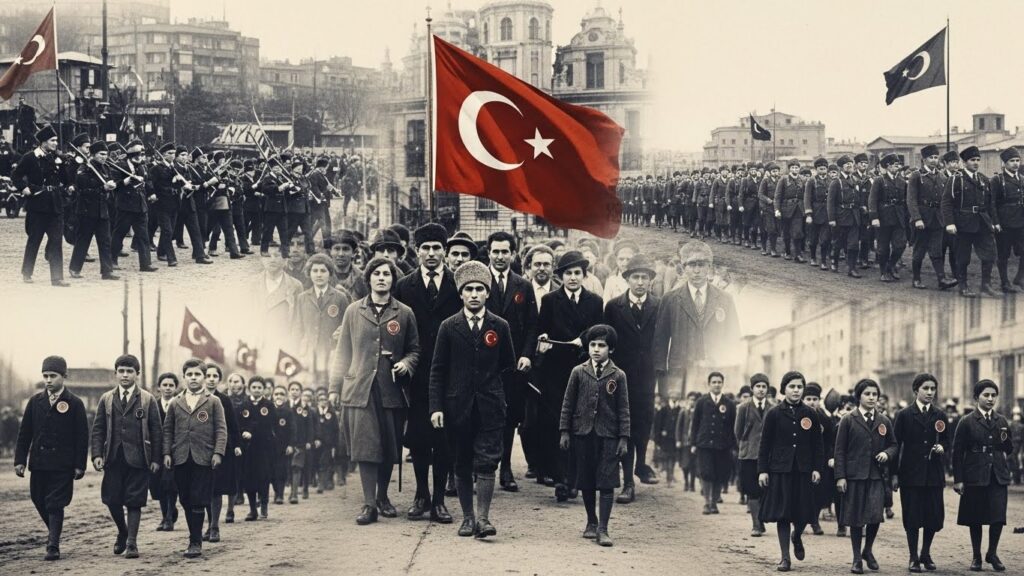
Cumhuritey. A term that resonates deeply within the hearts of millions, reflecting not just a form of governance but an entire ethos shaping modern Turkey. This significant concept has woven itself into the cultural and political fabric of the nation since its inception in 1923. As we delve deeper, we’ll explore what Cumhuritey truly represents, how it emerged from tumultuous times, and the visionary leader who championed its birth. Join us on this journey through history as we uncover the principles that guide Cumhuritey today and its lasting impact on contemporary Turkish society.
What is Cumhuritey?
Cumhuritey, translating to “Republic” in Turkish, embodies the essence of a democratic government where sovereignty resides with the people. It marks a significant shift from monarchical rule to a system that prioritizes citizen rights and responsibilities.
At its core, cumhuritey promotes participation and representation. Citizens are empowered to elect their leaders and influence decisions affecting their lives. This concept not only fosters political engagement but also cultivates a sense of belonging among individuals in society.
The establishment of cumhuritey sparked progressive reforms aimed at modernization across various sectors including education, law, and culture. These changes sought to elevate the nation’s status on the global stage while embracing secularism as an essential tenet.
Cumhuritey stands for hope—the hope for equality, justice, and prosperity within Turkey’s diverse population. Its principles continue shaping national identity today.
Historical Background and Formation of the Turkish Republic
The historical backdrop of Cumhuritey is steeped in a rich tapestry of cultural and political change. The late 19th and early 20th centuries saw the decline of the Ottoman Empire, which had ruled vast territories for centuries. Nationalistic fervor brewed among various ethnic groups, setting the stage for transformation.
World War I was a pivotal moment. After defeat, the empire fragmented; this chaos fueled aspirations for independence across Anatolia. Turkish nationalists rallied under new leadership to resist foreign occupation.
In 1920, Mustafa Kemal Atatürk emerged as a key figure during these tumultuous times. His vision extended beyond mere independence; he aimed to reshape society into a modern state grounded in secularism and democracy.
By October 29, 1923, following years of struggle and reformative efforts, Cumhuritey was officially declared. This marked not just the birth of a nation but also an ideological shift toward progress and modernization in Turkey’s history.
Mustafa Kemal Atatürk: The Father of Cumhuritey
Mustafa Kemal Atatürk stands as a towering figure in the history of Turkey. His vision transformed a beleaguered empire into a modern republic. His commitment to secularism and nationalism laid the groundwork for Cumhuritey.
Born in 1881, he emerged as a military leader during World War I. Atatürk’s strategic brilliance was pivotal in securing Turkish independence. Following victory, he shifted focus from battlefields to nation-building.
Atatürk introduced sweeping reforms that reshaped society. He promoted education, women’s rights, and industrialization with fervor. Under his leadership, traditional structures were challenged and progressive ideas flourished.
His dedication transcended mere policy; it inspired national identity and unity among diverse populations within Turkey’s borders. The principles he espoused continue to resonate deeply with citizens today—signifying an enduring legacy woven into the fabric of Cumhuritey itself.
Principles and Values of Cumhuritey
Cumhuritey embodies essential principles that define modern Turkey. At its core lies democracy, promoting active citizen participation in governance. This democratic spirit fosters an environment where people express their views freely.
Secularism is another vital value within Cumhuritey. It separates religion from state affairs, ensuring equal treatment for all beliefs while allowing diverse spiritual practices to flourish without interference.
The principle of nationalism also plays a significant role. It promotes unity among citizens, emphasizing Turkish identity and cultural heritage while respecting ethnic diversity.
Additionally, social justice underpins the framework of Cumhuritey. The aim is to create a society with equal opportunities for education, health care, and economic advancement regardless of background or status.
These values collectively shape Turkey’s trajectory as it navigates challenges and embraces growth on the global stage.
Evolution and Progress of Cumhuritey
Cumhuritey has undergone significant transformations since its inception. Initially, it aimed to establish a modern state based on secularism and democracy. Over the decades, this vision has adapted to changing social dynamics.
The transition from traditional governance to a more progressive structure marked an essential milestone in Turkish history. Reforms in education, law, and women’s rights reshaped society’s fabric.
Economic strategies also evolved. From agrarian roots, Turkey shifted towards industrialization, fostering growth and innovation. This economic development fueled urban migration and cultural exchange.
Moreover, Cumhuritey embraced globalization while preserving national identity. The balance between tradition and modernity became vital for societal cohesion.
As challenges emerged—political tensions or economic shifts—the principles of Cumhuritey provided resilience. Citizens increasingly engaged with these ideals, driving further progress within the nation’s framework.
Impact of Cumhuritey on Modern-day Turkey
Cumhuritey has profoundly shaped modern-day Turkey, weaving democratic principles into the fabric of its society. The establishment of a republic fostered an environment where citizens could engage actively in governance.
Education and secularism emerged as pillars under Cumhuritey’s influence. Schools flourished, promoting knowledge and critical thinking. This shift empowered generations to pursue progress.
The legal system underwent significant reforms, emphasizing equality and justice for all citizens. Women gained rights that transformed their roles in both public and private life.
Culturally, Cumhuritey nurtured a sense of national identity. Art, literature, and music reflected the nation’s aspirations and diversity.
Economically, policies initiated during this period laid the groundwork for modernization. Infrastructure development spurred growth in various sectors.
Today’s Turkey stands as a testament to these enduring values while facing contemporary challenges head-on with resilience rooted in its republican legacy.
Conclusion
Cumhuritey represents a pivotal chapter in Turkish history, marking the transition from an empire to a modern republic. Its formation was not just a political shift but also a cultural awakening that reshaped the identity of millions. Mustafa Kemal Atatürk played an essential role in laying down the foundational principles and values that continue to resonate today.
The evolution of Cumhuritey has seen Turkey navigate challenges while striving for progress and modernization. The impact on contemporary society is profound, influencing everything from governance to education, rights, and freedoms.
As we reflect on its journey, it’s evident that Cumhuritey remains integral to understanding Turkey’s place in the world. This legacy continues to inspire future generations as they build upon its foundations for an even brighter tomorrow.