
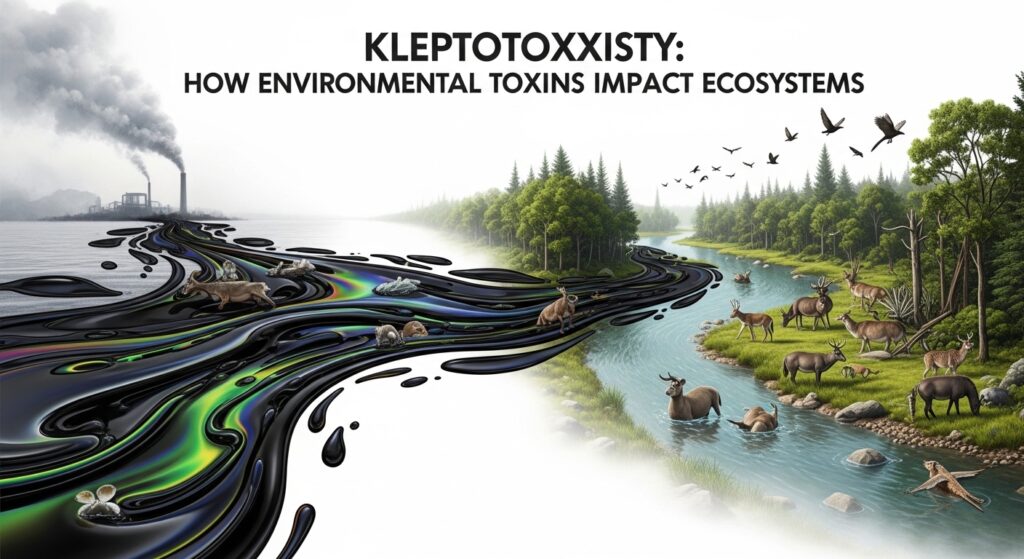
Kleptotoxicity might sound like a complex term, but its implications resonate deeply within our ecosystems. This phenomenon involves environmental toxins that can disrupt the delicate balance of nature in ways we are only beginning to understand. As pollutants infiltrate our air, soil, and water sources, they threaten not just individual species but entire food webs. From aquatic life to terrestrial creatures, kleptotoxicity reveals how interconnected everything truly is.
In an age where human activities have accelerated environmental changes at an alarming rate, understanding kleptotoxicity becomes crucial for both conservation efforts and public awareness. The impact of these toxic substances reaches far beyond immediate visible effects; it influences biodiversity and the health of our planet as a whole. Join us as we explore this fascinating subject and uncover the hidden dangers lurking within our environments.
What is Kleptotoxicity?
Kleptotoxicity refers to a unique phenomenon where certain species steal resources from others, often leading to toxic effects. This behavior not only disrupts the immediate ecosystem but also highlights an underlying vulnerability among organisms.
In nature, some predators and scavengers may take advantage of their neighbors by consuming contaminated food or prey. These stolen resources can introduce harmful substances into their bodies, affecting health and reproductive success.
The term combines “klepto,” meaning theft, with “toxicity,” indicating poisonous elements. It underscores a complex interaction between species that goes beyond mere competition for survival.
Understanding kleptotoxicity is crucial in ecology as it sheds light on how environmental toxins infiltrate food webs and impact various life forms within ecosystems. The ripple effect can be profound, influencing everything from individual species’ health to broader biodiversity trends.
The Different Types of Environmental Toxins
Environmental toxins come in various forms, each with distinct sources and impacts. Heavy metals like lead and mercury often find their way into soil and water through industrial waste. These elements can accumulate in organisms, leading to severe health issues.
Pesticides are another common type of toxin. They’re designed to eliminate pests but can also harm non-target species, including beneficial insects and aquatic life. Their pervasive use raises concerns about long-term ecosystem effects.
Plastic pollutants, such as microplastics, have infiltrated many habitats. These tiny particles break down from larger plastic items, creating a significant threat to marine animals that ingest them.
Chemical spills introduce a range of organic compounds into the environment. From oil spills affecting coastal ecosystems to agricultural runoff that alters freshwater systems—these events disrupt natural processes significantly.
How These Toxins Enter the Environment
Environmental toxins find their way into ecosystems through various pathways. Industrial runoff is a primary contributor. Factories often discharge pollutants directly into rivers and lakes, contaminating the water.
Agricultural practices also play a significant role. Pesticides and fertilizers, while helpful for crops, can wash away during rainstorms, seeping into nearby soil and waterways.
Atmospheric deposition occurs when harmful substances are released into the air. These toxins eventually settle back to earth via precipitation or dust particles. Urban areas contribute as well; waste disposal sites leak chemicals that infiltrate groundwater supplies.
Additionally, plastic pollution breaks down into microplastics that permeate oceans, affecting marine life in profound ways. Each of these routes opens doors for kleptotoxicity to wreak havoc on local wildlife populations and disrupt delicate ecological balances.
Case Studies: Examples of Kleptotoxicity in Action
One striking example of kleptotoxicity can be observed in marine environments. Researchers found that certain algal blooms release toxins harmful to nearby fish populations. These toxins disrupt the normal behavior and feeding patterns of various species, leading to significant population declines.
In freshwater ecosystems, the effects are equally alarming. A study on river systems revealed how industrial pollutants caused serious health issues among amphibians. These chemicals were shown to impair reproductive success and increase mortality rates.
Terrestrial examples also exist. In agricultural areas, pesticides can leach into soil and water sources, affecting local wildlife. Birds ingesting these contaminated insects faced higher toxicity levels, which impacted their survival rates and nesting success.
These case studies illustrate the pervasive nature of kleptotoxicity across diverse ecosystems and emphasize its potential for widespread ecological disruption.
The Effects of Kleptotoxicity on Biodiversity and Food Chains
Kleptotoxicity disrupts the delicate balance of ecosystems. When toxins enter food chains, they can have far-reaching consequences.
Predators often consume contaminated prey. This leads to a cascading effect through various species. As toxins accumulate, even top predators face health risks and decline in populations.
Biodiversity suffers when certain species become vulnerable or extinct. The loss of these creatures can destabilize entire ecosystems. Each organism plays a role; their absence creates gaps that others struggle to fill.
Additionally, the toxic effects ripple downwards. Herbivores might overpopulate without natural checks, leading to overgrazing and habitat degradation.
Such changes dull the vibrancy of our natural world, threatening both flora and fauna alike. Healthy ecosystems rely on diversity; kleptotoxicity undermines this essential principle by altering interactions within food webs.
Solutions to Combat Kleptotoxicity
Addressing kleptotoxicity requires a multifaceted approach. First, reducing the use of harmful chemicals in agriculture and industry can significantly lower toxin levels in ecosystems. Organic farming practices offer an alternative that minimizes chemical runoff.
Education plays a crucial role as well. Raising awareness about environmental toxins empowers communities to advocate for safer practices and policies. Workshops and local initiatives can help spread knowledge about sustainable alternatives.
Implementing stricter regulations on waste disposal is essential too. Industries must be held accountable for their emissions and discharges into natural habitats. Developing better filtration systems can prevent toxins from entering waterways.
Collaboration between governments, NGOs, and scientists is vital for research on remediation strategies. Innovative technologies like bioremediation harness plants or microorganisms to detoxify contaminated environments, showcasing nature’s own solutions.
Investing in restoration projects restores damaged ecosystems while supporting biodiversity resilience against future toxin exposure.
Conclusion
Understanding kleptotoxicity sheds light on the intricate ways environmental toxins affect ecosystems. These harmful substances disrupt natural processes, leading to severe consequences for biodiversity and food chains. By recognizing the different types of environmental toxins and their pathways into nature, we can better grasp how they contribute to this phenomenon.
Case studies highlight shocking examples where kleptotoxicity has devastated communities of flora and fauna. Such evidence emphasizes an urgent need for solutions that address pollution at its source. Innovative strategies must be employed to mitigate these effects and restore balance in our ecosystems.
Awareness is crucial in tackling this issue effectively. By promoting sustainable practices, reducing chemical usage, and supporting conservation efforts, we can help shield our planet from the grips of kleptotoxicity.
Protecting our environment ensures a healthier future not just for wildlife but also for humanity itself. Our actions today will determine the resilience of ecosystems tomorrow. Let’s commit to fostering a world where all living beings thrive free from toxic threats.