
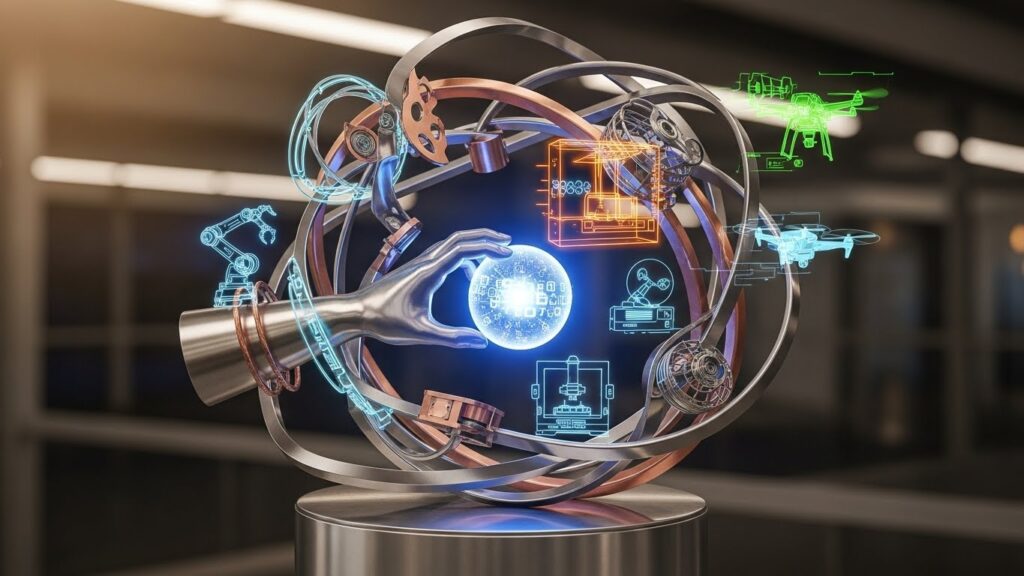
The kovových industry is on the brink of a technological revolution. As we delve deeper into the digital age, innovations are reshaping how businesses operate and compete. Companies focused on kovových are no longer just utilizing traditional methods; they are embracing cutting-edge technologies that promise to elevate productivity and efficiency. Understanding these emerging trends is crucial for anyone looking to stay ahead in this dynamic field. Let’s explore what Kovových truly entails and uncover the transformative technologies making waves across the industry.
What is Kovových?
Kovových refers to a dynamic field that encompasses the latest developments in materials and manufacturing processes. This term embodies innovation, driving industries toward enhanced efficiency and sustainability.
At its core, Kovových focuses on advanced technologies that reshape how products are designed and produced. It brings together various disciplines, including engineering, computer science, and material science.
This industry is characterized by rapid changes and constant evolution. Companies are exploring new ways to leverage technology for competitive advantage. From cutting-edge manufacturing techniques to innovative materials, Kovových paves the way for smarter solutions.
As businesses strive for excellence, understanding this sector becomes essential. The intersection of creativity with technical expertise fuels advancements that transform traditional practices into modern marvels.
The Importance of Emerging Technologies in the Industry
Emerging technologies play a pivotal role in reshaping the kovových industry. They drive innovation, streamline processes, and enhance productivity. As competition intensifies, embracing these advancements becomes essential for companies aiming to stay relevant.
These technologies offer solutions that boost efficiency and reduce costs. Automation minimizes human error while optimizing operations across various sectors. This shift allows businesses to allocate resources more strategically.
Moreover, emerging technologies foster collaboration among teams. With tools like virtual reality and IoT, remote interactions become seamless. Employees can visualize complex designs or communicate effectively from different locations.
The integration of artificial intelligence empowers organizations with data-driven insights. Companies can analyze trends swiftly, allowing them to make informed decisions that align with market demands.
Harnessing these innovations not only elevates production standards but also enhances product quality. Staying ahead in the kovových sector hinges on leveraging cutting-edge technology for sustained growth and success.
Top Emerging Technologies in the Kovových Industry:
The Kovových industry is witnessing a wave of cutting-edge technologies that are revolutionizing operations.
Artificial Intelligence and Machine Learning are at the forefront. These tools analyze vast amounts of data, improving decision-making processes and optimizing production efficiency.
Automation and Robotics streamline workflows, minimizing human error while enhancing precision in tasks. They allow businesses to scale operations quickly without compromising quality.
Virtual and Augmented Reality open new avenues for training and design simulations. This immersive technology enables workers to visualize complex processes in real time, fostering better understanding.
The Internet of Things (IoT) connects machinery, allowing seamless communication between devices. This connectivity enhances monitoring capabilities, leading to smarter resource management.
Lastly, 3D Printing transforms prototyping by enabling rapid iterations of designs with minimal waste. This technology not only saves costs but also accelerates product development cycles significantly.
Artificial Intelligence and Machine Learning
Artificial Intelligence (AI) and Machine Learning (ML) are transforming the kovových industry in remarkable ways. These technologies analyze vast amounts of data to identify patterns that humans might overlook.
Manufacturers can optimize production schedules, reduce waste, and enhance quality control through predictive analytics. This leads to increased efficiency and cost savings.
Additionally, AI-powered algorithms enable smart decision-making by simulating various scenarios. This agility allows businesses to respond quickly to market changes.
Machine learning models also facilitate personalized customer experiences. By understanding consumer preferences, companies can tailor their offerings effectively.
The integration of AI in design processes fosters innovation as it aids in creating complex models faster than traditional methods allow. As a result, the kovových sector is witnessing unprecedented advancements driven by these intelligent systems.
Automation and Robotics
Automation and robotics are revolutionizing the kovových industry. These technologies enhance efficiency, reduce human error, and streamline operations.
With robots handling repetitive tasks, workers can focus on more complex processes that require creativity and strategic thinking. This shift not only boosts productivity but also improves job satisfaction.
In manufacturing plants, automated systems ensure precision in metalworking and assembly lines. They operate tirelessly around the clock, maximizing output while minimizing downtime.
Moreover, advanced robotics can adapt to changing conditions or product designs. This flexibility allows businesses to respond rapidly to market demands without sacrificing quality.
As automation continues to develop, collaboration between humans and machines becomes essential. The future of kovových lies in harnessing this synergy for unmatched innovation and growth.
Virtual and Augmented Reality
Virtual and Augmented Reality (VR and AR) are revolutionizing the kovových industry by enhancing design and manufacturing processes. These technologies enable immersive simulations, allowing engineers to visualize complex projects in a virtual space before physical implementation.
With VR, users can step into a digital environment, interacting with 3D models of products. This capability streamlines collaboration among teams spread across different locations.
AR overlays digital information onto the real world, improving on-site troubleshooting and maintenance tasks. Technicians equipped with AR glasses receive real-time data without needing to reference manuals or screens.
The integration of these technologies not only boosts productivity but also significantly reduces errors in production workflows. By bridging the gap between imagination and reality, VR and AR facilitate innovative designs that push boundaries within the kovových sector.
Internet of Things (IoT)
The Internet of Things (IoT) is revolutionizing the kovových industry by creating interconnected systems that enhance efficiency and productivity. Imagine machinery communicating with each other in real-time, sharing data seamlessly.
Sensors embedded in equipment gather information about performance and maintenance needs. This helps prevent unexpected breakdowns, reducing downtime significantly.
Data from connected devices can be analyzed to optimize processes and improve decision-making. Companies can identify bottlenecks faster and make adjustments on-the-fly.
Moreover, IoT fosters a culture of innovation. With vast amounts of data at their fingertips, businesses can experiment with new techniques and solutions that were previously unattainable.
As smart factories emerge, the integration of IoT will play a crucial role in shaping the future landscape of kovových manufacturing. Embracing this technology not only boosts competitiveness but also paves the way for sustainable practices within the industry.
3D Printing
3D printing is revolutionizing the kovových industry by enabling rapid prototyping and customization. This technology allows manufacturers to create complex designs that were previously impossible or too costly.
Gone are the days of traditional manufacturing constraints. With 3D printing, materials can be layered precisely, resulting in intricate shapes and structures tailored to specific needs.
From aerospace components to medical devices, the applications are vast. The ability to produce parts on-demand reduces waste and shortens lead times significantly.
Moreover, innovation thrives as engineers experiment with new materials and techniques. As this technology evolves, it continually redefines what’s possible within kovových manufacturing processes.
Embracing 3D printing opens doors for startups and established companies alike, fostering a culture of creativity while enhancing efficiency across various sectors in the industry.
Benefits and Advancements Brought by These Technologies
Emerging technologies in the kovových industry are transforming operations and driving efficiency. Artificial intelligence sharpens decision-making processes by providing data-driven insights, making them more accurate and timely.
Automation and robotics enhance productivity, allowing for faster production cycles with minimal human intervention. This leads to cost savings and increased output.
Virtual and augmented reality offer innovative training solutions, enabling workers to gain hands-on experience without risks. These immersive environments boost learning retention significantly.
The Internet of Things (IoT) connects machines for seamless communication, facilitating real-time monitoring of equipment health. Predictive maintenance reduces downtime effectively.
3D printing brings customization to the forefront. Designers can create unique components quickly, reducing waste while meeting specific client needs efficiently. Each advancement contributes to a more resilient kovových landscape, promoting sustainability alongside growth.
Conclusion
Kovových stands at the forefront of innovation, blending traditional practices with cutting-edge technologies. The integration of artificial intelligence and machine learning is revolutionizing processes, making them more efficient and precise. Automation and robotics enhance productivity while reducing human error.
Virtual and augmented reality are creating immersive experiences that reshape design and training methodologies within the industry. Meanwhile, the Internet of Things (IoT) connects various systems for real-time data sharing, significantly improving operational decision-making.
As these emerging technologies develop further, they will undoubtedly continue transforming the kovových landscape in profound ways. Embracing these innovations is essential for companies striving to stay competitive in an ever-evolving market. The future of kovových looks bright as it harnesses technology to unlock new possibilities across industries.