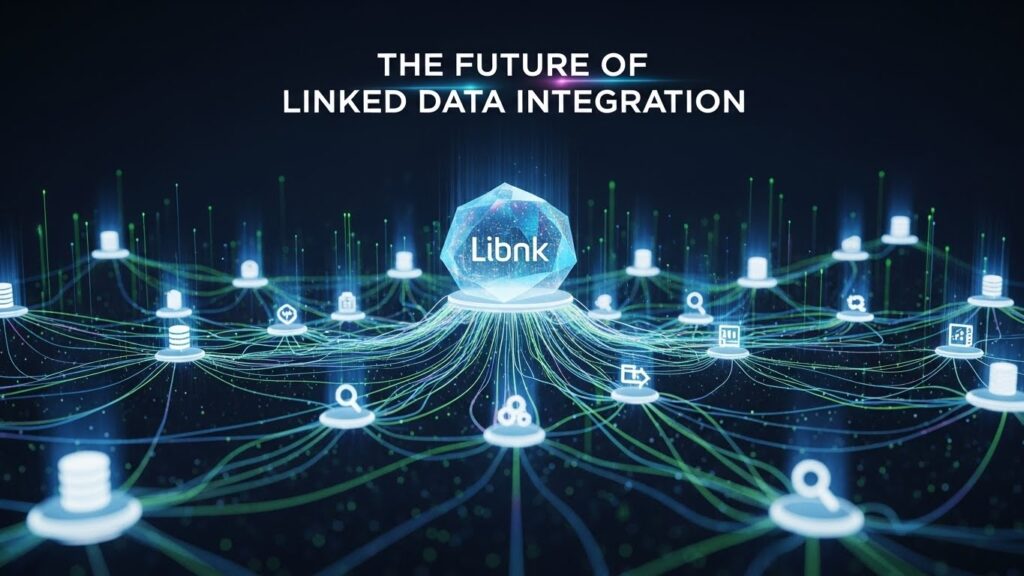
In a world flooded with data, connecting the dots can often feel like piecing together a complex puzzle. Linked data integration has emerged as a solution to this challenge, allowing disparate pieces of information to work in harmony. But how do we take this concept further? Enter Libnk a promising technology designed to revolutionize the way we integrate and utilize linked data. As businesses and organizations increasingly rely on robust data systems, understanding what Libnk brings to the table is essential for anyone looking to stay ahead in today’s fast-paced digital landscape. Let’s dive into the innovative features of Libnk and explore its potential impact on the future of data integration.
What is Libnk?
Libnk is an innovative solution designed to revolutionize how we connect and integrate linked data. It provides a streamlined platform that allows users to bridge disparate datasets seamlessly.
At its core, Libnk leverages advanced algorithms to facilitate the linking of various data sources. This means organizations can access and utilize information from diverse domains without the usual complexities.
What sets Libnk apart is its user-friendly interface. Whether you’re a tech expert or a casual user, navigating through your linked data becomes effortless. The emphasis on accessibility ensures that everyone can harness the power of connected information.
Moreover, Libnk prioritizes scalability. As businesses grow and evolve, so does their need for efficient data integration solutions. Libnk adapts with you, ensuring continuous support as your requirements change over time.
The Challenges of Traditional Data Integration Methods
Traditional data integration methods often struggle with complexity. Organizations frequently rely on rigid schemas and predefined formats, which can lead to significant bottlenecks. This rigidity hampers the ability to adapt quickly to new data sources.
Moreover, these methods tend to be time-consuming. Manual processes dominate, requiring extensive labor for mapping and transforming data across systems. This not only increases operational costs but also leaves room for human error.
Scalability is another concern. As organizations grow, integrating vast amounts of diverse data becomes overwhelming. Legacy systems may not handle increased loads efficiently.
Additionally, real-time access to integrated data is typically lacking in traditional approaches. Businesses miss opportunities due to slow processing speeds or outdated information.
These challenges highlight a pressing need for innovation in the realm of data integration strategies, paving the way for more streamlined solutions like libnk that promise greater efficiency and flexibility.
How Does Libnk Work?
Libnk operates by leveraging the principles of linked data to create seamless connections between disparate datasets. It uses a unique framework that allows users to integrate and query data from various sources effortlessly.
At its core, Libnk employs standardized formats like RDF (Resource Description Framework) and SPARQL for querying. This ensures compatibility with most existing systems while maintaining flexibility in data representation.
Users can easily map their datasets onto Libnk’s structure, enabling automatic link generation. This process enhances discoverability and improves access to relevant information across platforms.
Furthermore, Libnk incorporates advanced algorithms that facilitate real-time updates and synchronization. As new data becomes available, it automatically reflects these changes without disrupting user experience.
This innovative approach not only streamlines data integration but fosters collaboration among diverse stakeholders in any industry seeking more efficient ways to utilize their data resources.
Benefits of Using Libnk for Linked Data Integration
Libnk transforms the landscape of linked data integration with its innovative approach. One of its standout benefits is efficiency. It streamlines complex processes, significantly reducing the time and resources required for data handling.
Another major advantage is flexibility. Libnk accommodates various data sources seamlessly, allowing organizations to integrate diverse datasets without hassle. This adaptability fosters better collaboration across teams and departments.
Moreover, Libnk enhances accuracy in data management. By using advanced algorithms, it minimizes errors that are often associated with manual integration methods. This leads to more reliable insights and informed decision-making.
Scalability cannot be overlooked either. As businesses grow, so do their data needs. Libnk can easily scale alongside your organization, ensuring that you remain agile even as complexities increase in your operations.
User experience stands out with Libnk’s intuitive interface designed for ease of use making it accessible for both technical and non-technical users alike.
Real-world Applications of Libnk
Libnk is making waves across various industries by simplifying how organizations connect and utilize their data. In healthcare, for instance, Libnk enables seamless integration of patient records from disparate sources. This leads to better patient care through more accurate diagnoses and personalized treatments.
In the finance sector, companies leverage Libnk for real-time data analysis. Financial institutions can aggregate information from market trends, customer behaviors, and regulatory changes effortlessly. This allows them to make informed decisions quickly.
Education is another area where Libnk shines. Institutions use it to link academic resources with student performance metrics. This interconnectedness helps educators tailor learning experiences that cater specifically to individual needs.
The retail industry benefits too; brands are using Libnk to integrate consumer insights across multiple platforms. By doing so, they create cohesive marketing strategies that resonate deeply with their target audience while driving sales growth effectively.
Future Developments and Potential Impact on the Industry
As Libnk continues to evolve, its potential for reshaping the landscape of data integration becomes increasingly apparent. The platform promises enhanced interoperability among diverse datasets, which can significantly streamline processes across industries.
Future developments may include advanced AI algorithms that facilitate even smarter linking of data sources. This could lead to a reduction in manual effort and errors, making it easier for businesses to harness big data effectively.
Moreover, as more organizations adopt Libnk, we might see an industry shift toward decentralized data management practices. Such changes could empower smaller players by providing them with tools traditionally reserved for larger corporations.
The implications extend beyond efficiency; they also touch on compliance and security concerns. With robust frameworks likely being integrated into Libnk’s architecture, companies can better navigate regulatory landscapes while maintaining user trust.
Conclusion
As we explore the evolving landscape of data integration, Libnk stands out as a pioneering tool in linked data connectivity. Its innovative approach addresses many challenges faced by traditional methods, providing a seamless solution for organizations looking to enhance their data interoperability.
With its user-friendly interface and powerful capabilities, Libnk simplifies the process of connecting disparate datasets. Businesses can harness its potential to improve decision-making processes and drive operational efficiency.
Real-world applications are already showcasing how Libnk is changing the way companies interact with their data. From healthcare providers improving patient outcomes to financial institutions streamlining operations, the impact is evident across various sectors.
The future holds exciting possibilities for Libnk as it continues to evolve alongside advancements in technology. As more organizations recognize the value of linked data integration, it’s clear that tools like Libnk will play a key role in shaping industry standards moving forward.