
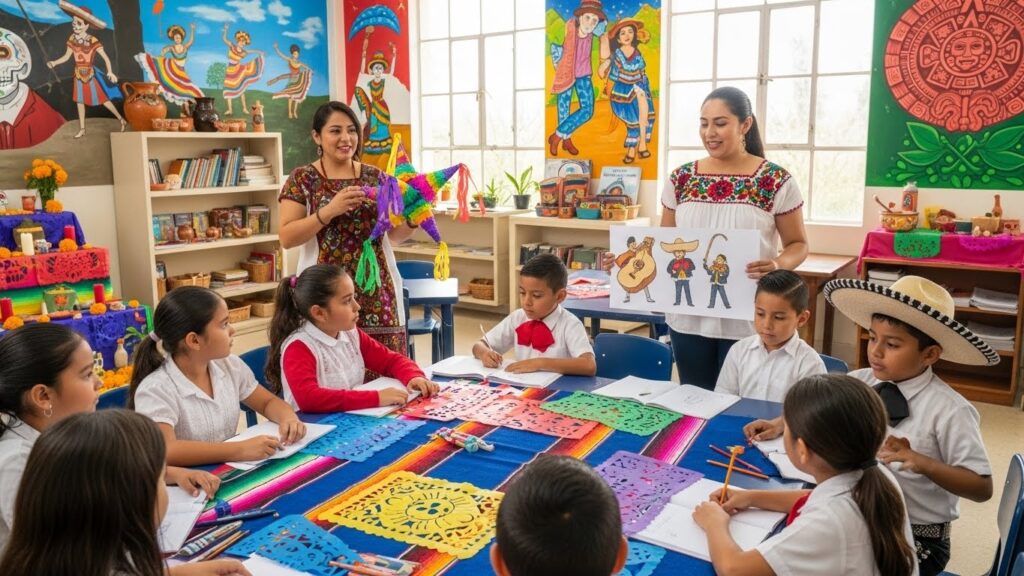
In a world that grows increasingly interconnected, understanding diverse cultures is more important than ever. Enter the Mexi Classroom—a vibrant fusion of tradition and education that breathes new life into learning. This innovative approach not only nurtures academic growth but also fosters an appreciation for rich cultural heritage. Imagine a classroom buzzing with energy as students engage in lively discussions about Mexican customs, art, and history while immersing themselves in hands-on activities that celebrate their unique identity. The Mexi Classroom invites educators to transform traditional teaching methods into something dynamic and engaging, making every lesson an adventure worth experiencing together!
What is Mexi Classroom?
Mexi Classroom is an innovative approach that integrates traditional Mexican culture into the educational environment. It aims to create a vibrant learning space where students can connect with their heritage.
This concept goes beyond mere cultural appreciation. It immerses learners in activities that reflect Mexico’s rich history, art, music, and language. From crafting papel picado to exploring folk tales, each lesson is designed to engage students actively.
Through collaborative projects and hands-on experiences, Mexi Classroom fosters curiosity and respect for diverse cultures. Students learn not only about Mexican traditions but also develop skills like teamwork and creativity.
By incorporating these elements into daily lessons, educators can spark interest in multicultural perspectives while enhancing critical thinking abilities. This makes learning relevant and exciting for all students regardless of their background or ethnicity.
The Importance of Cultural Education
Cultural education holds a vital place in shaping well-rounded individuals. It fosters understanding and appreciation for diverse backgrounds, enriching students’ perspectives.
When students learn about different cultures, they develop empathy. This emotional connection helps break down stereotypes and creates a more inclusive environment.
Exposure to various traditions enhances critical thinking skills. Students analyze customs and beliefs, encouraging them to think critically about their own values.
Moreover, cultural education promotes creativity. Engaging with unique art forms or culinary practices inspires innovative ideas that transcend boundaries.
Incorporating cultural lessons into the classroom empowers learners to embrace diversity as an asset rather than a barrier. By celebrating differences, schools cultivate respect among peers from all walks of life.
This holistic approach not only positively impacts student relationships but also prepares them for global citizenship in our interconnected world.
Traditional Mexican Activities and Lessons in the Classroom
Incorporating traditional Mexican activities into the classroom creates a vibrant learning environment. Students can explore customs that have shaped a rich cultural heritage.
One engaging activity is the Day of the Dead celebration. Students can create altars, learn about its significance, and even make sugar skulls. This hands-on experience fosters appreciation for life and remembrance.
Another exciting lesson involves teaching students to cook simple Mexican dishes like tamales or salsa. Cooking not only builds practical skills but also encourages teamwork and collaboration in the kitchen.
Art projects inspired by Frida Kahlo or muralists like Diego Rivera allow students to express their creativity while learning about influential figures in Mexican history.
These activities promote language development too, as bilingual vocabulary enhances communication skills through storytelling and songs steeped in tradition. Engaging with these lessons allows students to connect personally with Mexico’s diverse culture.
Benefits of Incorporating Mexi Classroom into Education
Incorporating Mexi Classroom into education offers numerous advantages for students and teachers alike. One significant benefit is the enhancement of cultural awareness. Students gain insights into Mexican traditions, fostering respect and appreciation for diversity.
Additionally, this approach promotes active learning. Engaging with hands-on activities—like crafting papel picado or cooking traditional dishes—encourages creativity and critical thinking.
Another advantage is improved social skills. Collaborative projects within a Mexi Classroom setting allow students to work together, building teamwork abilities while also engaging in rich discussions about culture.
Furthermore, incorporating these lessons can boost academic performance across subjects. By relating historical events or literature to Mexican heritage, educators create more meaningful connections that resonate with students.
Embracing such an educational model cultivates a well-rounded perspective on global cultures while making learning enjoyable and relevant.
Success Stories from Teachers and Students
Teachers have shared inspiring experiences from integrating Mexi Classroom into their lessons. One educator noticed a significant increase in student engagement during cultural celebrations. Students who once struggled with participation began to shine when exploring traditional crafts and music.
A high school teacher reported profound connections formed among students through collaborative projects. They created vibrant murals reflecting Mexican heritage, fostering teamwork and pride in their backgrounds.
Students also express how they feel more connected to their roots. Many said learning about traditional stories helped them appreciate family histories that often get overlooked.
These success stories highlight the transformative power of incorporating cultural education into classrooms. The joy and enthusiasm radiating from students and teachers alike can be felt throughout the school community, bridging gaps and enriching lives through shared experiences.
How to Implement Mexi Classroom in Your Curriculum
Integrating Mexi Classroom into your curriculum begins with understanding the cultural background of your students. Start by researching traditional Mexican holidays, customs, and values that resonate with their experiences.
Next, incorporate hands-on activities. Create art projects inspired by Mexican folk art or organize cooking classes featuring traditional recipes. This approach encourages creativity while fostering a sense of pride in heritage.
Include literature from Mexican authors to enhance language skills and promote diverse perspectives. Stories can stimulate discussion on themes relevant to both culture and identity.
Don’t forget technology! Use multimedia resources like documentaries or virtual tours of significant sites in Mexico to broaden horizons.
Collaborate with parents and community members for guest speakers or workshops. Engaging families deepens connections between school learning and home traditions, making education more meaningful for everyone involved.
Embracing Diversity and Enhancing Learning Through Mexi Classroom
Embracing diversity in education fosters an environment where all students feel valued. The Mexi Classroom does just that by integrating rich cultural elements into daily learning.
When students engage with traditional Mexican stories, music, and art, they connect on a deeper level. This approach enriches their understanding of different perspectives.
Incorporating these activities promotes creativity and open-mindedness. Students learn to appreciate the beauty in various cultures while building empathy towards others.
Moreover, this method encourages collaboration among peers from diverse backgrounds. Working together on projects enhances social skills and teamwork.
The vibrant tapestry of traditions not only captivates students but also cultivates respect for one another’s heritage. Each lesson becomes an opportunity for discovery and growth, creating a truly inclusive classroom experience.
Conclusion
The concept of the Mexi Classroom is a vibrant fusion of education and cultural heritage. By integrating traditional Mexican activities into lessons, educators create an inviting space that fosters engagement and learning. This approach resonates deeply with students, allowing them to connect with their roots while exploring new ideas.
Cultural education holds immense value in today’s diverse classrooms. It cultivates understanding, respect, and appreciation for different backgrounds. When students learn about traditions through firsthand experiences be it cooking authentic dishes or celebrating local festivals—their connection to the material grows stronger.
Incorporating elements from the Mexi Classroom transforms standard lessons into lively explorations filled with creativity. Teachers who embrace this model report heightened student participation and enthusiasm for learning. The success stories emerging from schools implementing these practices demonstrate significant improvements in both academic performance and social skills.
To bring the essence of a Mexi Classroom to your curriculum, start small. Introduce cultural themes during holidays or special events, gradually weaving them into everyday subjects like history or art. Collaborate with families to share personal stories that enrich classroom discussions.
Embracing diversity enhances not just individual learning but also community bonds among students. The journey toward creating a more inclusive educational environment starts by recognizing each student’s unique background through initiatives like the Mexi Classroom.
Education thrives on innovation and adaptability; fostering connections between culture and knowledge can inspire future generations as they navigate an increasingly interconnected world.