
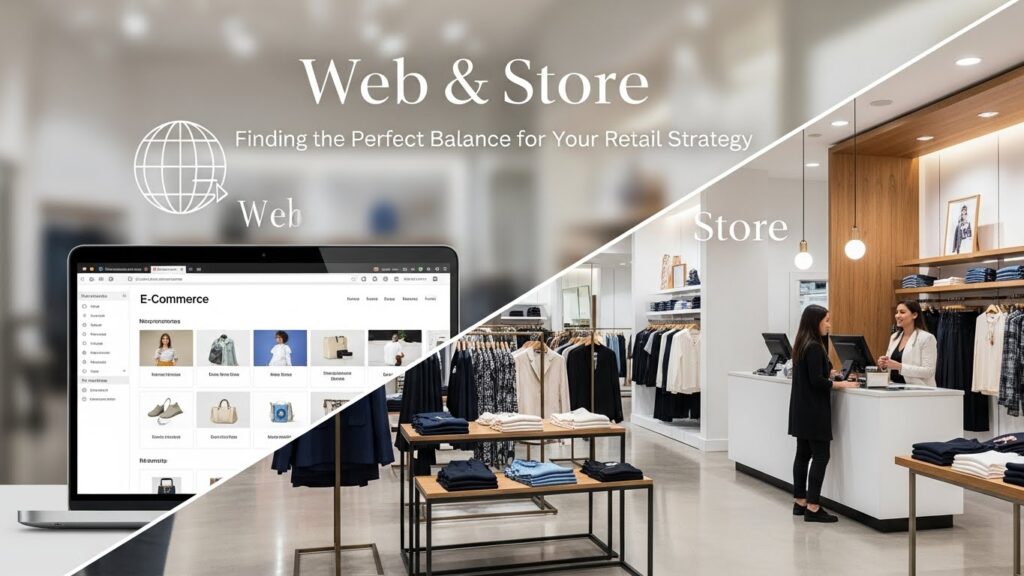
The retail industry is in a constant state of flux, shaped by changing consumer behaviors and rapid technological advancements. Gone are the days when shoppers relied solely on brick-and-mortar stores to indulge their purchasing desires. Today, Web&store the landscape is evolving at lightning speed, as customers seamlessly shift between online platforms and physical locations.
Enter the concept of Web&store a strategy that harmonizes these two worlds into one cohesive shopping experience. It’s not just about selling; it’s about creating a dynamic environment where convenience meets personalization, catering to today’s savvy consumers. As we delve deeper into this innovative approach, you’ll discover how embracing Web&store can position retailers not just for survival but for success in an increasingly competitive market. Are you ready to transform your retail strategy? Let’s explore!
What is Web&store?
Web&store is an innovative retail strategy that merges online and offline shopping experiences. It allows businesses to create a seamless connection between their digital storefronts and physical locations.
By integrating web platforms with traditional stores, retailers can enhance customer engagement. Shoppers enjoy the convenience of browsing products online while having the option to visit a nearby store for immediate purchases.
This approach not only caters to consumer preferences but also maximizes inventory management. Retailers can track sales in real-time across both channels, ensuring they meet demand effectively.
Moreover, Web&store encourages personalized marketing strategies. By analyzing online behavior, businesses can tailor promotions and recommendations based on individual needs.
With this blend of technology and personal touch, Web&store is revolutionizing how retailers connect with customers today. It’s about creating an ecosystem where shopping feels intuitive and cohesive.
The Shift to Online Shopping
The retail landscape has transformed dramatically in recent years. Online shopping is no longer a trend; it’s the new norm. Customers prefer convenience, and e-commerce delivers just that.
Many shoppers now browse products on their phones during commutes or while lounging at home. The ease of comparing prices and reading reviews influences purchasing decisions more than ever before.
Moreover, social media plays a vital role in this shift. Brands use platforms to showcase their offerings, engage with customers, and drive traffic to online stores.
Retailers must adapt quickly to stay competitive. With more consumers expecting seamless experiences between physical and digital spaces, the pressure mounts on traditional businesses.
This evolution challenges retailers but also opens doors for innovative strategies like web&store integration. Embracing both worlds allows them to meet customer expectations head-on while maximizing reach and sales opportunities in an increasingly digital marketplace.
Challenges Faced by Traditional Retailers
Traditional retailers are grappling with a rapidly evolving marketplace. The rise of e-commerce has significantly altered consumer expectations. Shoppers now demand convenience, speed, and personalized experiences.
Brick-and-mortar stores struggle to compete with the vast selection available online. Many consumers prefer browsing from their couches rather than navigating crowded aisles. This shift is leading to declining foot traffic and sales for physical locations.
Additionally, traditional retailers face operational challenges. Managing inventory across multiple channels can be daunting. Ensuring that stock levels are aligned between in-store and online platforms requires sophisticated logistics.
Customer loyalty is another hurdle. With numerous options at their fingertips, shoppers can easily switch brands or stores if they find better deals elsewhere. Establishing lasting relationships becomes more complex in this digital age.
Adapting to these changes demands innovation and strategic thinking from traditional retailers striving to survive in a mixed retail landscape.
The Emergence of Web&store Strategy
The retail landscape has dramatically changed in recent years. Traditional storefronts are no longer the sole avenue for reaching customers. Enter the Web&store strategy, a hybrid approach that blends online and offline experiences seamlessly.
This concept emerged as retailers sought to adapt to shifting consumer preferences. Shoppers now expect flexibility—browsing products online while having the option to pick them up in-store or vice versa.
Web&store creates a unified shopping experience that caters to diverse buying habits. It allows businesses to capitalize on both digital engagement and physical presence, meeting customer needs where they are.
With technology at its core, this strategy leverages data analytics and inventory management tools. Retailers can make informed decisions about stock levels and promotions based on real-time insights from both platforms.
As competition intensifies, those who embrace Web&store will likely thrive in an ever-evolving market environment.
Benefits of Web&store for Retailers
The Web&store strategy offers retailers a seamless integration of online and offline experiences. This approach allows businesses to reach customers wherever they are, enhancing brand visibility.
Retailers benefit from increased customer engagement through personalized online services. Tailored recommendations can attract shoppers and encourage repeat purchases.
Cost savings also play a significant role. By merging digital platforms with physical stores, retailers can optimize inventory management and reduce overhead costs.
Moreover, data analytics becomes invaluable in this model. Retailers gain insights into customer preferences and shopping behaviors, enabling smarter decision-making for future strategies.
Flexibility is another key advantage. Businesses can quickly adapt their offerings based on real-time feedback from both online interactions and in-store visits, ensuring they stay relevant in a competitive market.
Case Studies: Successful Implementation of Web&store Strategy
One notable example of a successful web&store strategy is that of Nike. The brand seamlessly integrates its online presence with physical stores, allowing customers to check product availability in local outlets. This not only enhances convenience but also drives foot traffic.
Another case is Walmart, which has invested heavily in digital capabilities while optimizing its brick-and-mortar locations. Through initiatives like order pickup and same-day delivery, they have transformed the shopping experience for consumers.
Sephora stands out as well; it uses augmented reality features on its app to let users virtually try on products before heading into stores. This innovative approach draws customers who appreciate both virtual engagement and tactile experiences.
These brands exemplify how blending online and offline elements can create a cohesive retail environment that resonates with today’s shoppers. Each case highlights unique strategies tailored to their specific audience needs.
Tips for Implementing a Successful Web&store Strategy
Start by understanding your customer base. Gather insights on their preferences and shopping habits. This knowledge will guide your web&store strategy.
Next, ensure seamless integration between online and offline experiences. Customers should enjoy a smooth transition from browsing your website to visiting the physical store.
Invest in technology that enhances both platforms. Use tools like inventory management systems to provide real-time stock updates online and in-store.
Training staff is essential. Equip them with skills to manage inquiries across both channels effectively. A knowledgeable team can create a positive experience for every shopper.
Continuously collect feedback from customers after implementation. Their input can highlight areas of improvement, ensuring your web&store remains relevant and effective in meeting their needs.
Conclusion
The retail landscape is evolving rapidly. As shopping habits shift and technology advances, retailers must adapt to stay competitive. The web&store strategy represents a powerful way for businesses to merge the benefits of online and in-store experiences.
By embracing this approach, retailers can cater to diverse consumer preferences while enhancing their operational efficiency. The successful case studies highlight that it’s not just about having both a website and a physical store; it’s about creating an integrated experience that resonates with customers.
Implementing a robust web&store strategy may come with its challenges, but the potential rewards are significant. Retailers willing to innovate and invest in this dual approach will find themselves better positioned for success in today’s dynamic marketplace. Embracing the web&store concept could be the key differentiator as businesses navigate this new era of retailing.